

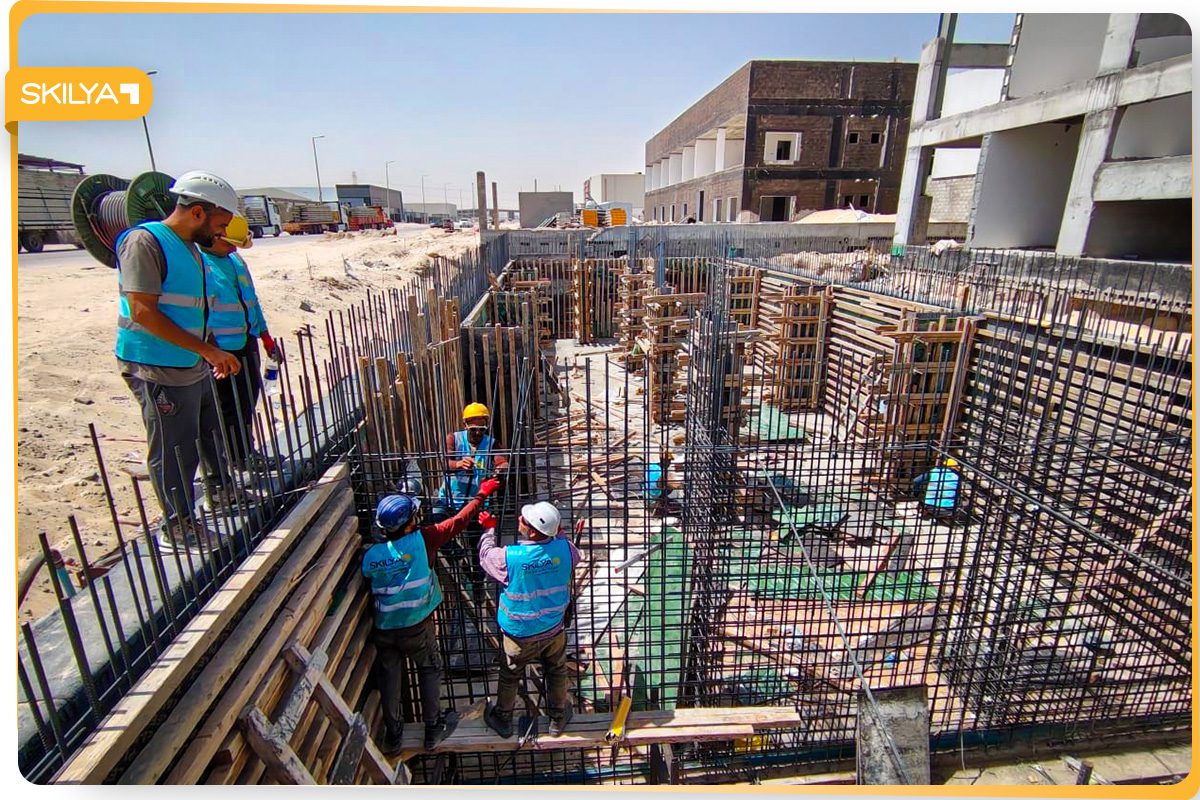
- seo
- June 13, 2026
Why Pre-Construction Planning Matters for Project Success
Pre-construction planning is one of the most important stages of any successful construction project. Before construction equipment enters the site, before materials are ordered, and before the first structural element is executed, the project must go through a clear planning process. This stage helps project owners, consultants, engineers, and contractors understand the project requirements, identify risks, control costs, prepare the schedule, and create a practical path for execution.
Many construction problems do not start during construction itself. They often begin before construction starts, because of unclear scope, weak budgeting, incomplete drawings, poor coordination, unrealistic timelines, or missing approvals. When these issues are not solved early, they can turn into delays, cost overruns, rework, disputes, and quality problems.
In Saudi Arabia, where construction projects range from commercial buildings and factories to educational facilities, infrastructure works, warehouses, and industrial developments, pre-construction planning is especially important. Projects often need to meet technical standards, authority requirements, safety rules, environmental conditions, and long-term operational needs. Strong pre-construction planning allows the project team to prepare for these requirements before execution begins.
What Is Pre-Construction Planning?
Pre-construction planning is the stage where the project is studied, organized, and prepared before actual construction work starts on site. It includes understanding the project goals, reviewing drawings, estimating costs, preparing schedules, studying site conditions, identifying required permits, planning procurement, reviewing risks, and defining responsibilities.
This stage connects the project idea with practical execution. It helps answer important questions such as: What exactly will be built? What is the expected budget? How long will the project take? What materials and systems are required? What approvals are needed? What risks may affect the project? Who is responsible for each stage?
Pre-construction planning is not only useful for large projects. It is important for every type of construction work because even small projects can face problems if planning is weak. However, the more complex the project is, the more valuable this stage becomes.
Clarifying the Project Scope
A clear project scope is one of the first outcomes of pre-construction planning. The scope defines what the project includes, what it excludes, what standards will be followed, what deliverables are expected, and what responsibilities belong to each party.
If the project scope is not clear, confusion can happen during execution. The owner may expect certain works to be included while the contractor may understand something different. This can lead to disputes, delays, and unexpected costs.
A clear scope should cover civil works, structural works, MEP systems, finishing works, external works, testing, commissioning, documentation, and final handover requirements. For example, in a commercial building, the scope may include foundations, concrete works, electrical systems, HVAC, plumbing, fire protection, flooring, ceilings, painting, external areas, and authority approvals.
By defining the scope early, the project team can reduce misunderstandings and create a stronger foundation for project control.
Improving Cost Estimation and Budget Control
One of the biggest benefits of pre-construction planning is better cost estimation. Construction costs can be affected by many factors, including project size, design complexity, material specifications, labor needs, equipment requirements, site conditions, MEP systems, finishing quality, and project duration.
Without detailed planning, the initial budget may be inaccurate. This can create financial pressure during construction and force the owner to make difficult decisions later. A weak budget may also lead to lower-quality materials, rushed decisions, or incomplete work.
Pre-construction planning helps the project team prepare a more realistic cost estimate. It allows the contractor and consultants to review drawings, calculate quantities, study material options, estimate labor needs, and identify high-cost items. It also helps include a contingency amount for unexpected changes.
Budget control starts before construction begins. When costs are studied early, the owner can make better decisions about design, specifications, materials, and project priorities.
Reducing Construction Risks
Every construction project includes risks. These risks may be related to site conditions, soil problems, authority approvals, design conflicts, material delays, safety issues, labor availability, weather conditions, or budget changes. Pre-construction planning helps identify these risks before they affect site work.
For example, a soil investigation may reveal that the project needs a different foundation system. A drawing review may show conflicts between HVAC ducts and structural beams. A procurement review may identify long-lead materials that must be ordered early. A permit review may show that certain approvals are required before construction can start.
When risks are identified early, the project team can prepare solutions. This does not mean every problem can be avoided, but it greatly reduces the chance of serious surprises during construction.
Risk management is especially important in large-scale projects where one issue can affect many activities. Strong pre-construction planning gives the owner and contractor more control over the project from the beginning.
Creating a Realistic Construction Schedule
A successful project needs a realistic schedule. During pre-construction planning, the contractor and project team prepare a timeline that explains how the project will move from site preparation to final handover.
A construction schedule should include key stages such as mobilization, excavation, foundation works, structural works, block works, MEP rough-in, plastering, waterproofing, flooring, ceilings, painting, external works, testing, commissioning, and handover.
The schedule should be practical and based on real project conditions. It should consider manpower, material delivery, equipment availability, consultant approvals, authority inspections, and the sequence of work. Unrealistic schedules may look attractive at the beginning, but they often create pressure, reduce quality, increase safety risks, and cause disputes.
Pre-construction planning helps the owner understand what timeline is achievable. It also helps the contractor prepare resources properly and avoid unnecessary delays once work begins.
Reviewing Drawings and Technical Documents
Drawing review is a critical part of pre-construction planning. Architectural, structural, mechanical, electrical, plumbing, fire protection, and finishing drawings must be reviewed carefully before execution starts.
In many projects, problems appear because drawings are not fully coordinated. For example, electrical routes may conflict with plumbing lines, HVAC ducts may not fit within ceiling spaces, or structural elements may affect the architectural layout. These conflicts are much easier and cheaper to solve before construction begins.
A professional contractor reviews drawings from an execution perspective. The contractor does not only ask whether the design looks complete, but also whether it can be built efficiently and safely. This practical review helps identify missing details, unclear specifications, and potential site issues.
Good drawing coordination reduces rework, improves quality, and helps all teams understand how the project should be executed.
Planning MEP Coordination Early
MEP systems are among the most important components of modern buildings. Electrical, plumbing, HVAC, fire protection, and low-current systems must be coordinated carefully with the building structure, architecture, and finishing works.
Poor MEP coordination can cause serious problems during construction. Pipes, cables, ducts, and equipment may conflict with each other or with structural elements. These conflicts can delay work and require changes after construction has already started.
Pre-construction planning allows the project team to review MEP requirements early. This includes system routes, equipment locations, ceiling heights, access points, maintenance areas, shafts, risers, and service rooms.
Early MEP coordination is especially important for commercial buildings, factories, schools, warehouses, and industrial facilities because these buildings depend heavily on system performance. When MEP systems are planned correctly, the building becomes safer, more efficient, and easier to maintain.
Supporting Better Material Selection
Material selection affects the quality, durability, appearance, and maintenance cost of a construction project. During pre-construction planning, the project team can review material options and select products that match the project’s technical and budget requirements.
Material planning should consider strength, durability, availability, cost, installation method, warranty, maintenance needs, and compliance with project specifications. For example, finishing materials in a commercial building should support heavy usage, while industrial flooring may need resistance to loads, chemicals, or continuous operation.
Pre-construction planning also helps identify materials that require early approval or long delivery times. This is important because delayed materials can stop work on site and affect the entire schedule.
Proper material planning gives the project team more control and reduces the risk of last-minute decisions.
Improving Communication Between All Parties
Construction projects involve many parties, including the owner, consultant, contractor, subcontractors, suppliers, engineers, and authority representatives. Pre-construction planning creates a communication structure before the project becomes active on site.
This structure may include meeting schedules, reporting formats, approval procedures, inspection processes, document control systems, and decision-making responsibilities. When communication is clear from the beginning, the project is easier to manage.
Poor communication can cause repeated work, late approvals, misunderstandings, and conflicts. Strong communication helps the project team solve problems early and keep everyone aligned.
For large construction projects, communication is not optional. It is part of project control.
Preparing the Site for Efficient Execution
Before construction begins, the site must be prepared properly. Pre-construction planning includes studying access points, temporary facilities, storage areas, worker movement, equipment zones, safety routes, utilities, fencing, and logistics.
Site preparation affects productivity and safety. If materials are stored poorly, movement becomes difficult. If equipment access is not planned, work may be delayed. If temporary facilities are not organized, the site can become unsafe or inefficient.
Good site logistics help the contractor use space effectively and keep construction activities organized. This is especially important for projects located in busy urban areas, industrial zones, or limited spaces.
Strengthening Quality and Safety Before Work Starts
Quality and safety should be planned before construction starts, not after problems happen. During pre-construction planning, the contractor should prepare quality control procedures, inspection plans, safety plans, risk assessments, and site rules.
Quality planning defines how works will be inspected and approved. Safety planning defines how workers, visitors, materials, and equipment will be protected. These plans help create a professional site environment from the first day of execution.
A project that starts with clear quality and safety standards is more likely to achieve better results. It also reduces accidents, rework, delays, and disputes.
Why Skilya Values Pre-Construction Planning
Skilya Construction Company understands that successful construction starts before execution. Through its integrated construction and contracting services, Skilya supports project owners with practical planning, technical coordination, engineering knowledge, and quality-focused delivery.
Skilya works across general contracting, civil works, structural steel, MEP systems, HVAC, electrical, plumbing, finishing works, infrastructure, road construction, and interior-related services. This integrated experience helps the company understand how different project elements connect before and during construction.
For project owners looking for a reliable construction company in Saudi Arabia, Skilya provides the technical capability and project management approach needed to reduce risks, improve coordination, and support successful project delivery from planning to final handover.
Conclusion
Pre-construction planning matters because it gives the project a strong foundation before site work begins. It helps clarify the scope, improve cost estimation, reduce risks, create a realistic schedule, review drawings, coordinate MEP systems, select materials, organize communication, prepare the site, and strengthen quality and safety.
A project that starts with weak planning is more likely to face delays, cost increases, rework, and technical problems. A project that starts with strong planning is easier to control and more likely to achieve successful results.
In Saudi Arabia’s growing construction market, pre-construction planning is not just a helpful step. It is a necessity for owners who want durable, safe, efficient, and high-quality buildings. Working with an experienced construction partner like Skilya can help ensure that every stage of the project is prepared properly before execution begins.
FAQs
What is pre-construction planning?
Pre-construction planning is the process of preparing a construction project before site work begins. It includes scope definition, budgeting, scheduling, drawing review, risk management, permits, procurement planning, and coordination.
Why is pre-construction planning important?
Pre-construction planning helps reduce delays, control costs, improve quality, avoid design conflicts, manage risks, and create a smoother construction process from start to finish.
What should be included in pre-construction planning?
It should include project scope, cost estimate, construction schedule, site studies, permit requirements, drawing review, material planning, risk assessment, communication procedures, safety planning, and quality control procedures.
How does pre-construction planning reduce costs?
It reduces costs by identifying problems early, improving quantity estimates, avoiding rework, planning procurement, reducing delays, and helping the owner make better decisions before construction starts.
Why choose Skilya for construction planning and execution?
Skilya provides integrated construction services, technical expertise, project management capabilities, and experience across general contracting, MEP systems, finishing works, structural steel, infrastructure, and industrial construction projects.