

- seo
- October 31, 2026
Earthwork Contractors in Dammam: Requesting a Site Preparation Quote
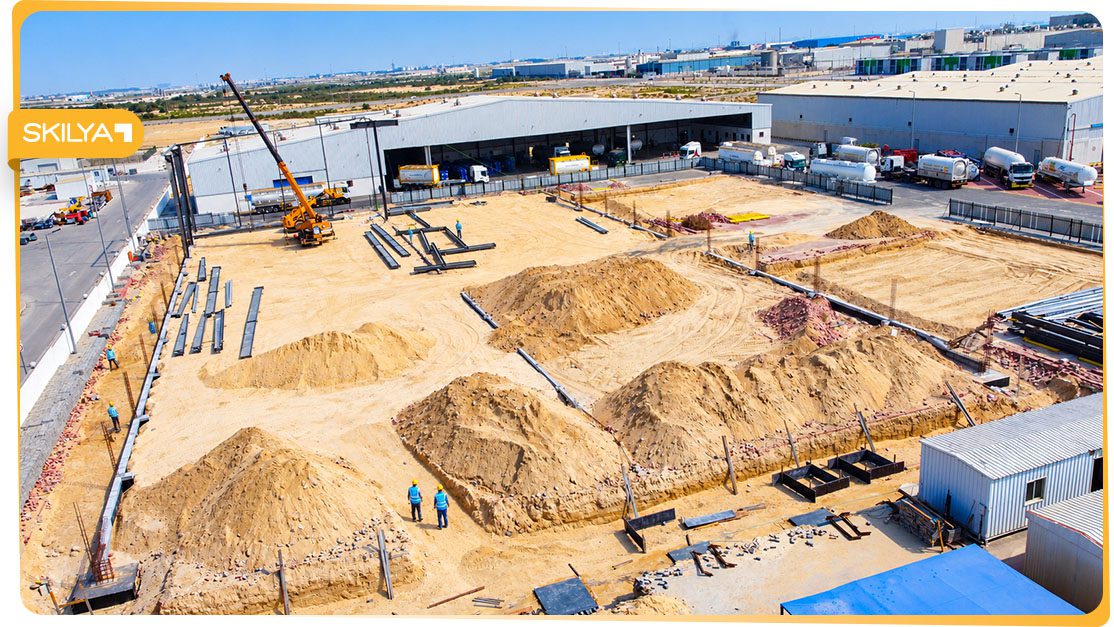
Finding experienced earthwork contractors in Dammam is an important first step when developing an industrial factory, warehouse, commercial building, or infrastructure project in Saudi Arabia.
Before foundations, structural steel, roads, and utilities can be constructed, the site must be prepared according to the approved engineering design. This preparation may involve excavation, grading, cutting, filling, backfilling, compaction, and the removal of unsuitable materials.
For project owners and procurement managers, obtaining an accurate earthworks quotation requires more than sharing the land area and asking for a price.
Contractors need information about the existing ground levels, required formation levels, soil conditions, estimated excavation quantities, material disposal requirements, site access, and construction schedule.
Without this information, quotations may contain significant assumptions or exclude work that becomes necessary during execution.
Whether you are preparing a manufacturing facility in Dammam Second Industrial City, developing a logistics warehouse, or planning a new commercial development, a well-structured Request for Quotation (RFQ) helps contractors understand the site preparation requirements and submit more comparable proposals.
In this guide, we explain the main earthwork activities, the documents required for a quotation, the factors affecting excavation and grading costs, and how Skilya Construction Company supports earthwork and infrastructure projects in Dammam.
Have site drawings, a topographical survey, or an earthworks BOQ ready? Contact Skilya to discuss your site preparation requirements and request a project-specific quotation.
What Do Earthwork Contractors Do?
Earthwork contractors prepare land for building and infrastructure construction by modifying ground levels and creating the conditions specified by the civil and geotechnical design.
Their work may involve removing soil, placing engineered fill, preparing subgrades, and managing excavated material.
The exact scope depends on the site’s existing conditions and the project’s design.
Earthwork services can include:
- Site clearing and preparation.
- Topsoil removal.
- Excavation.
- Cutting and filling.
- Site grading and leveling.
- Backfilling.
- Engineered fill placement.
- Compaction.
- Soil improvement or stabilization where specified.
- Subgrade preparation.
- Rock excavation.
- Material import and disposal.
- Temporary dewatering where required.
Some projects require specialist shoring, ground improvement, contamination management, or deep excavation measures. These should be identified separately and executed under appropriately developed engineering requirements.
Why Site Preparation Matters for Industrial Construction
Industrial buildings are often designed to support heavy structures, machinery, loading operations, and large paved areas.
The performance of these facilities depends partly on the preparation of the ground beneath them.
Supporting Building Foundations
Foundations must be constructed on ground conditions consistent with the approved structural and geotechnical design.
Earthworks create the required excavation levels and preparation conditions for subsequent foundation works.
Preparing Industrial Floor Areas
Factories and warehouses may require floors that support forklifts, pallet racking, manufacturing equipment, or other operational loads.
Subgrade preparation and compaction must follow the specified engineering requirements.
Establishing Site Levels
Proper grading establishes the intended building platform, road levels, and connections between different development areas.
Coordinating Drainage
Site levels affect how surface water moves across the development.
Earthworks should be coordinated with the approved stormwater drainage strategy.
Preparing External Infrastructure
Roads, parking areas, utility corridors, loading yards, and paved operational spaces all depend on suitable site preparation.
Earthwork Services Commonly Required in Dammam
1. Site Clearing and Topsoil Removal
Before excavation begins, the contractor may need to clear vegetation, debris, obstructions, and unsuitable surface materials.
The scope should specify what is to be removed, whether materials can be reused, and where waste must be transported.
Where demolition is required, it should be identified as a separate work item unless expressly included.
2. Excavation Works
Excavation involves removing soil or rock to achieve the specified elevations or create space for construction.
Typical applications include:
- Building foundations.
- Equipment foundations.
- Underground utilities.
- Drainage systems.
- Road construction.
- Site level adjustments.
The excavation method depends on ground conditions, depth, access, and safety requirements.
Deep excavations or work near existing structures may require engineered temporary support systems.
3. Cut-and-Fill Operations
Cut-and-fill work redistributes or replaces ground material to establish required site elevations.
Areas above design level may be excavated, while lower areas may require suitable fill.
A cut-and-fill assessment helps establish:
- Estimated excavation quantities.
- Required fill quantities.
- Potential reuse of suitable excavated material.
- Imported material requirements.
- Surplus material disposal.
Not all excavated soil is suitable for reuse as engineered fill.
Its suitability should be assessed against the geotechnical recommendations and project specifications.
4. Site Grading and Leveling
Site grading shapes the ground to achieve the specified elevations and slopes.
It may be required for:
- Factory building platforms.
- Warehouse sites.
- Industrial yards.
- Parking areas.
- Access roads.
- External paved areas.
Grading must follow the design requirements for surface drainage, structural interfaces, and finished levels.
5. Backfilling and Compaction
Backfilling places suitable material into excavations or around constructed elements.
The work may involve selected fill, placement in specified layers, moisture conditioning, and compaction.
Compaction requirements should be established through the approved specifications and geotechnical recommendations.
The RFQ should identify the required testing methods, acceptance criteria, and responsibility for independent testing.
6. Subgrade and Base Preparation
Roads, parking areas, and certain industrial floors require properly prepared supporting layers.
Depending on the design, the earthwork contractor may be responsible for preparing the subgrade and placing specified granular materials.
The division of work between earthworks, pavement construction, and concrete contractors should be clearly identified.
7. Rock Excavation and Unsuitable Material Removal
Some sites contain hard rock, obstructions, or ground unsuitable for the proposed construction.
Such conditions can affect equipment selection, productivity, disposal, and project cost.
Where subsurface conditions remain uncertain, the contract should define how additional excavation or changed ground conditions will be handled.
8. Construction Site Dewatering
Groundwater or accumulated water may interfere with excavation and foundation activities.
Where necessary, temporary dewatering systems can help manage water during construction.
However, dewatering methods depend on site conditions, ground investigation, surrounding structures, and applicable environmental or discharge requirements.
Do not assume that dewatering is included in every excavation quotation.
What Documents Are Needed for an Earthworks Quotation?
A detailed earthworks quotation should be based on sufficient civil engineering and site information.
1. Site Location and Development Overview
Provide the project name, location, intended use, approximate land area, and current stage of development.
For industrial sites, clarify whether the project involves a factory, warehouse, logistics yard, or another development type.
2. Topographical Survey
A topographical survey identifies existing ground elevations and important site features.
It provides a basis for understanding the difference between existing and proposed levels.
The survey should be sufficiently current and suitable for the intended construction design.
3. Earthwork and Grading Drawings
Provide available plans showing:
- Existing ground levels.
- Proposed formation levels.
- Cut-and-fill areas.
- Building platform elevations.
- Road and yard levels.
- Relevant cross-sections.
- Site boundaries.
- Drainage-related grading requirements.
4. Geotechnical Investigation Report
A geotechnical report helps identify subsurface conditions relevant to excavation and fill operations.
It may provide information about soil properties, groundwater, unsuitable materials, and recommendations for ground preparation.
5. Earthworks Bill of Quantities
The BOQ should identify measurable items such as:
- Site clearing.
- Topsoil stripping.
- Excavation by applicable material category.
- Rock excavation where relevant.
- Imported fill.
- Backfilling.
- Compaction.
- Disposal of surplus material.
- Subgrade preparation.
- Soil improvement where specified.
- Dewatering where included.
Each item should have a clear unit, estimated quantity, and description.
6. Material Specifications
The RFQ should define approved fill types, material suitability requirements, placement methods, and testing criteria.
If excavated material may be reused, clarify the conditions under which reuse is permitted.
7. Existing Utility Information
Identify known underground cables, pipes, drainage lines, and other services.
Contractors should not assume that underground utility locations are complete or fully verified without appropriate investigation.
8. Site Access and Logistics
Explain access restrictions, permitted working areas, truck routes, haulage requirements, storage locations, and relevant industrial site rules.
9. Construction Schedule
Provide the expected commencement date, duration, and required handover milestones.
Earthworks may need to be completed before foundation construction, utility installation, or major material deliveries.
10. Commercial Requirements
Define the quotation format, pricing basis, payment terms, validity period, testing responsibilities, and treatment of changed quantities or unexpected ground conditions.
Earthwork Contractor RFQ Checklist
RFQ Requirement | Information to Provide |
Project Overview | Site location, land area, intended use |
Topographical Survey | Existing ground elevations |
Grading Drawings | Proposed levels, slopes, sections |
Geotechnical Report | Soil conditions and groundwater information |
Excavation Quantities | Estimated cut volumes and classifications |
Filling Requirements | Imported fill, reuse, and backfill quantities |
Disposal Requirements | Surplus material and approved disposal arrangements |
Compaction Specifications | Material, layers, testing, and acceptance criteria |
Underground Utilities | Known services and protection requirements |
Dewatering | Expected conditions and scope responsibility |
Site Access | Haul routes, restrictions, and logistics |
Project Schedule | Mobilization and earthworks milestones |
Commercial Terms | Unit rates or lump sum, exclusions, and measurement |
Providing these documents helps earthwork contractors prepare clearer technical and commercial submissions.
Have a topographical survey or earthwork BOQ? Send your project information to Skilya to discuss an excavation and site preparation quotation.
How to Request a Site Preparation Quote in Dammam
Step 1: Define the Work Package
Specify whether you need full site preparation, excavation only, grading, backfilling, or a combined earthworks package.
Step 2: Gather Survey and Engineering Documents
Collect the current topographical survey, civil drawings, geotechnical information, and applicable construction specifications.
Step 3: Prepare the BOQ
Identify the expected quantities, measurement units, material requirements, and testing obligations.
Step 4: Clarify Material Handling
Explain whether excavated soil may be reused, whether imported fill is required, and who is responsible for surplus material disposal.
Step 5: Identify Groundwater and Existing Utilities
Share available information about groundwater, known underground services, and site restrictions.
Step 6: Provide the Construction Timeline
Specify when earthworks should begin and when the prepared site must be handed over to the next construction team.
Step 7: Request Technical and Commercial Pricing
Contact contractors with relevant earthwork capabilities and request quotations using the same tender documentation.
What Affects Earthwork Construction Costs in Dammam?
Earthwork costs are influenced by actual ground conditions, quantities, material movement, and site logistics.
Excavation Volume and Depth
Larger quantities and deeper excavations can affect the required equipment, productivity, and safety arrangements.
Soil and Rock Conditions
Soft soils, hard rock, obstructions, and difficult excavation conditions may require different methods and resources.
Haulage and Disposal
The distance to approved disposal or material sources can influence the overall cost of earthworks.
Imported Fill Requirements
Projects that require additional engineered fill may incur material procurement, transportation, placement, and testing costs.
Compaction and Testing
Required compaction levels, layer thicknesses, material testing, and quality documentation affect the execution scope.
Groundwater and Dewatering
Groundwater conditions may require additional engineering, equipment, monitoring, and discharge arrangements.
Access and Working Restrictions
Restricted access, industrial operating rules, and limited working areas can affect productivity.
Pricing and Measurement Basis
Earthworks may be quoted through unit rates, lump-sum arrangements, or a combination.
For unit-rate work, actual eligible measured quantities may influence the final payment according to the contract.
Because these factors vary significantly, requesting a project-specific quotation based on drawings and site information is more reliable than using a general excavation price per cubic meter.
How to Compare Earthwork Contractor Quotations
Evaluation Factor | What to Check |
Scope Completeness | Clearing, excavation, filling, disposal, compaction |
Quantity Basis | BOQ quantities and measurement rules |
Ground Assumptions | Soil classifications and rock excavation |
Material Specifications | Fill suitability and imported material |
Testing | Compaction and quality verification |
Water Management | Dewatering and discharge responsibilities |
Equipment and Resources | Suitability for the required scale |
Schedule | Mobilization, production, and handover |
Safety | Excavation, utilities, lifting, and site traffic |
Exclusions | Obstructions, contaminated materials, changed ground conditions |
Commercial Terms | Unit rates, variations, payment, and validity |
Compare proposals against the same documents and clarify significant differences before appointing a contractor.
Common Mistakes When Hiring Earthwork Contractors
Requesting a Price Based Only on Land Area
Land area alone does not reveal cut volumes, fill requirements, ground conditions, or disposal needs.
Using Outdated Site Levels
An old survey may not reflect current site conditions.
Assuming All Excavated Material Can Be Reused
Reuse depends on material suitability and the approved specifications.
Ignoring Underground Utilities
Unidentified services can create major safety and construction risks.
Excluding Compaction Testing
Earthworks acceptance may require specified field testing and quality records.
Not Defining the Disposal Scope
Transporting and disposing of surplus or unsuitable material should be clearly assigned.
Overlooking Dewatering
Groundwater requirements can significantly affect excavation methods and costs.
Comparing Only the Total Price
A low quotation may exclude important activities or rely on different quantity assumptions.
Why Choose Skilya for Earthwork Construction in Dammam?
When evaluating earthwork contractors in Dammam, project owners should look for companies with relevant experience in site preparation, excavation, backfilling, and coordinated industrial construction.
Established in 2016, Skilya Construction Company provides general contracting and infrastructure services in Saudi Arabia, with offices in Al-Khobar and Dammam.
Skilya’s published earthwork capabilities include excavation, grading, filling, compaction-related site preparation, and dewatering.
Earthwork and Site Preparation Capabilities
Skilya lists services including:
- Excavation and backfilling.
- Site leveling and grading.
- Cut-and-fill operations.
- Imported and exported earth materials.
- Subgrade and base preparation.
- Building pad preparation.
- Soil stabilization and topsoil removal.
- Rock removal and site clearing.
- Earthwork for infrastructure development.
- Dewatering where required.
These capabilities are relevant for industrial buildings, warehouses, commercial sites, and supporting infrastructure.
Explore Skilya Earthwork Construction Services.
Relevant Project: United Stars DG Warehouses
One of Skilya’s documented site preparation references is United Stars DG Warehouses in Dammam Second Industrial City.
Skilya served as General Contractor for this approximately 13,700-square-meter industrial warehouse development.
The published scope explicitly includes:
- Site leveling.
- Excavation.
- Backfilling.
- Concrete structure construction.
- Steel erection.
- MEP installations.
- Site and finishing works.
This is a relevant example of earthworks being coordinated with subsequent civil, structural, and building services construction.
Infrastructure and Industrial Construction Coordination
Site preparation is often connected with roads, drainage, underground utilities, foundations, and external works.
Skilya also provides infrastructure services involving water networks, road construction, and dewatering.
For industrial clients, these complementary capabilities provide a relevant basis for discussing work-package interfaces and overall site development requirements.
Explore Skilya Infrastructure and Road Construction Services and the Skilya Project Portfolio.
How to Request an Earthwork Quotation From Skilya
Step 1: Share Your Site Information
Provide the project location, approximate plot area, intended development, and current site condition.
Step 2: Submit Survey and Geotechnical Documents
Share available topographical surveys, soil investigation reports, and civil design information.
Step 3: Define the Required Earthwork Scope
Identify excavation, grading, imported fill, backfilling, compaction, disposal, and other required activities.
Step 4: Provide Your BOQ
Include available quantities, specifications, and the proposed method of measurement.
Step 5: Confirm the Construction Timeline
Explain when the site must be ready for foundations, roadworks, or subsequent construction.
Step 6: Discuss Your Quotation
Contact Skilya to review your site preparation requirements and confirm the information needed for a project-specific proposal.
Request a Site Preparation Quotation in Dammam
Planning a factory, warehouse, industrial facility, or commercial construction project in Dammam?
Skilya Construction Company provides earthwork and infrastructure-related construction services, including excavation, grading, backfilling, and site preparation.
Share your site drawings, topographical survey, BOQ, and expected schedule to discuss an earthworks quotation.
Contact Skilya:
- Email: info@skilya.com
- Phone: +966 13 899 9045
- Earthwork Services: Explore Skilya Earthwork Construction
- Projects: View Skilya Projects
For confidential survey files or large engineering documents, contact Skilya to arrange an appropriate method of submission.
Frequently Asked Questions About Earthwork Contractors in Dammam
What services do earthwork contractors in Dammam provide?
Earthwork contractors may provide excavation, grading, clearing, cut-and-fill operations, backfilling, compaction, subgrade preparation, material disposal, and dewatering, depending on the agreed scope.
What documents are required for an earthworks quotation?
Typically, contractors need a project overview, topographical survey, earthwork drawings, geotechnical report, BOQ, material specifications, site access information, and construction schedule.
How much does site preparation cost in Dammam?
Costs depend on excavation and fill quantities, soil conditions, rock, haulage, material disposal, groundwater, compaction requirements, and site access. A project-specific quotation is needed for reliable pricing.
What is the difference between excavation and site grading?
Excavation removes ground material to specified levels or creates space for foundations and other works. Site grading shapes the site’s surface to achieve the required elevations and slopes.
Can excavated soil be reused as backfill?
Potentially, but reuse depends on the material’s suitability and the approved geotechnical and construction specifications.
Is dewatering included in an earthworks quotation?
Not automatically. Dewatering should be specifically identified in the RFQ and priced according to site conditions and engineering requirements.
Should earthworks be quoted as a lump sum or unit rates?
Either may be appropriate depending on the level of design certainty, quantity accuracy, and commercial risk allocation. Unit-rate pricing is often useful when eligible executed quantities may vary.
Does Skilya provide earthwork construction in Dammam?
Yes. Skilya publishes earthwork services covering excavation, grading, backfilling, and other site preparation activities. Its United Stars DG Warehouses project in Dammam also documents leveling, excavation, and backfilling works.
Can Skilya review my site preparation BOQ?
Project owners can contact Skilya with their civil drawings, BOQ, survey information, and project requirements to discuss the scope and next steps for preparing a quotation.
Conclusion
Selecting experienced earthwork contractors in Dammam is an important part of preparing industrial and commercial developments for construction.
Reliable site preparation depends on accurate surveys, geotechnical information, clear excavation and fill requirements, appropriate compaction procedures, and coordination with subsequent building works.
Before requesting a quotation, project owners should define the required earthwork activities, prepare the relevant drawings and BOQ, and clarify responsibilities for imported materials, disposal, testing, and dewatering.
With published earthwork services and documented site preparation experience in industrial construction, Skilya Construction Company offers relevant capabilities for projects in Dammam and the Eastern Province.
Ready to prepare your site for construction? Contact Skilya to share your project requirements and request a quotation.