

- seo
- December 24, 2025
Industrial Construction in Saudi Arabia: Engineering-Led Execution
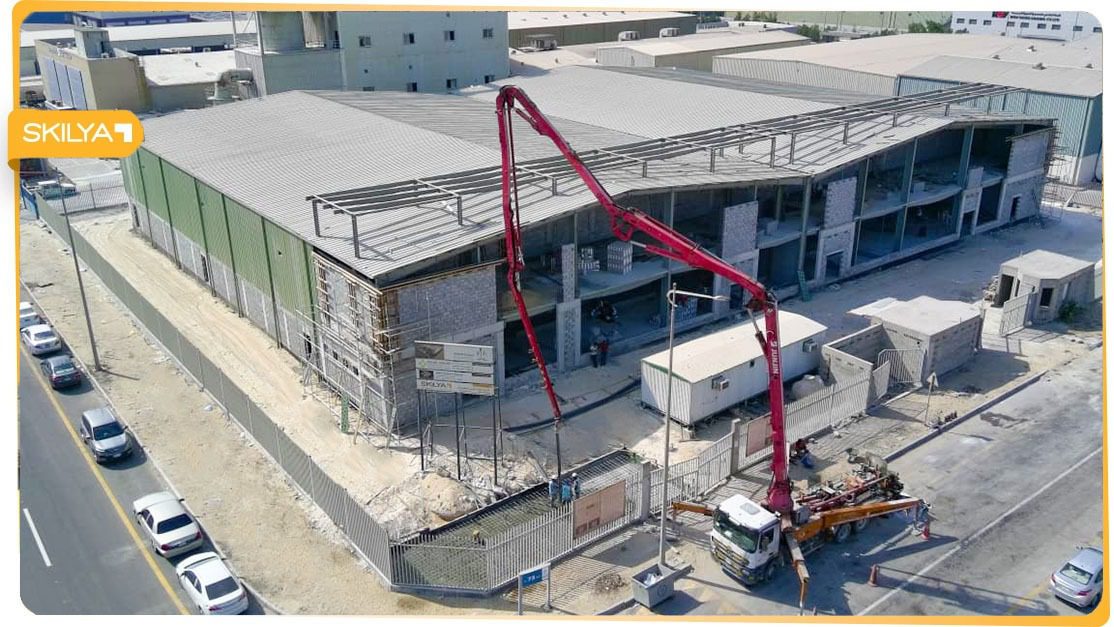
Industrial construction in Saudi Arabia is a key pillar of the Kingdom’s economic growth and industrial diversification. From manufacturing plants and logistics hubs to energy facilities and large-scale industrial complexes, industrial construction projects support critical sectors that drive national development.
Unlike residential or commercial developments, industrial construction in Saudi Arabia requires a high level of technical coordination, strict safety compliance, and precise execution. This is where an engineering-led general contracting approach becomes essential. Rather than focusing solely on site execution, engineering-led general contracting integrates technical expertise, planning, and construction management into a unified delivery model.
This article explores how engineering-led general contracting supports successful industrial construction projects in Saudi Arabia and why this approach has become a necessity rather than an option.
Understanding Industrial Construction in Saudi Arabia
Industrial construction projects differ significantly from other construction types. They typically involve:
- Large steel structures and heavy foundations
- Complex mechanical, electrical, and process systems
- Specialized operational requirements
- High safety and regulatory standards
In Saudi Arabia, industrial construction must also comply with:
- Saudi Building Code (SBC)
- Civil defense and safety regulations
- Environmental and sector-specific requirements
These factors make industrial construction in Saudi Arabia one of the most technically demanding segments of the construction industry.
What Is Engineering-Led General Contracting?
Engineering-led general contracting places technical understanding at the core of construction execution. Instead of treating engineering and construction as separate phases, this approach ensures that engineering intent guides every stage of the project.
In industrial construction, this means:
- Designs are reviewed with constructability in mind
- Technical risks are identified early
- Execution plans align with engineering requirements
This integration reduces errors, delays, and costly modifications during construction.
Why Industrial Construction Requires an Engineering-Led Approach
Industrial facilities are designed to support continuous operations, heavy loads, and specialized processes. Any construction error can lead to operational disruptions, safety risks, or long-term inefficiencies.
An engineering-led general contracting approach ensures that:
- Structural systems are built exactly as designed
- Mechanical and electrical systems are properly integrated
- Installation tolerances meet operational requirements
For industrial construction in Saudi Arabia, this approach is critical to achieving reliable and compliant outcomes.
Core Elements of Engineering-Led General Contracting in Industrial Projects
1. Early Engineering Coordination
Early involvement of engineering expertise allows contractors to:
- Review drawings for constructability
- Identify clashes between disciplines
- Optimize materials and systems
This proactive coordination helps streamline execution and avoid delays during industrial construction projects.
2. Integrated Project Planning
Industrial construction projects involve multiple stakeholders and disciplines. Engineering-led general contracting integrates:
- Structural works
- Installation and commissioning
By managing these elements under one coordinated plan, contractors reduce fragmentation and improve overall efficiency.
3. Precision in Execution
Precision is essential in industrial construction. Equipment alignment, load distribution, and system integration must meet exact specifications.
Engineering-led contractors ensure:
- Accurate setting-out and installation
- Continuous technical supervision
- Compliance with design tolerances
This precision directly impacts operational performance after project completion.
Safety and Compliance in Industrial Construction
Safety is a top priority in industrial environments. Industrial construction in Saudi Arabia must adhere to strict safety standards to protect personnel, equipment, and operations.
An engineering-led general contracting approach emphasizes:
- Risk assessments during planning
- Safe construction methodologies
- Continuous safety monitoring on-site
By integrating safety considerations into engineering and execution, contractors reduce incidents and ensure regulatory compliance.
Managing Complexity in Industrial Construction Projects
Industrial construction projects are often complex due to:
- Tight schedules
- Heavy equipment installation
- Coordination with operational stakeholders
Engineering-led general contracting enables better management of this complexity through:
- Structured scheduling
- Technical risk management
- Clear communication between teams
This approach is particularly valuable in Saudi Arabia’s fast-paced industrial development environment.
The Role of Steel and Structural Systems
Steel structures are a core component of industrial construction. Engineering-led general contracting ensures that:
- Structural steel designs are optimized for load and durability
- Fabrication and installation are coordinated
- Structural systems integrate seamlessly with MEP requirements
This coordination is essential for warehouses, factories, and industrial facilities across Saudi Arabia.
Industrial Construction and Vision 2030
Saudi Vision 2030 has accelerated investment in industrial zones, manufacturing facilities, and logistics infrastructure. Industrial construction projects aligned with Vision 2030 prioritize:
- Efficiency and scalability
- Sustainability and durability
- Long-term operational performance
Engineering-led general contracting supports these priorities by delivering facilities designed for future growth and operational resilience.
The Value of Integrated General Contracting
Integrated general contracting reduces the need to manage multiple contractors and interfaces. For industrial construction projects, this approach offers:
- Clear accountability
- Improved coordination
- Reduced execution risks
- Consistent quality standards
Companies such as Skilya apply integrated, engineering-led general contracting to industrial construction projects, combining technical expertise with hands-on execution to support complex industrial requirements.
Long-Term Benefits of Engineering-Led Industrial Construction
The advantages of engineering-led general contracting extend beyond construction completion. These benefits include:
- Reduced maintenance costs
- Improved operational efficiency
- Enhanced structural reliability
- Better lifecycle performance
For investors and operators, these outcomes translate into stronger returns and long-term asset value.
Common Challenges in Industrial Construction
Despite careful planning, industrial construction projects may face challenges such as:
- Design changes during execution
- Supply chain disruptions
- Coordination issues between disciplines
Engineering-led general contracting helps address these challenges through flexibility, technical oversight, and proactive problem-solving.
Industrial construction in Saudi Arabia demands a disciplined, technically driven approach that goes beyond traditional contracting methods. An engineering-led general contracting approach integrates design understanding, execution precision, and regulatory compliance into a unified delivery model.
As industrial projects continue to grow in scale and complexity, this approach has become essential for achieving reliable, safe, and efficient outcomes. Construction companies that embed engineering expertise into their general contracting processes such as Skilya demonstrate how industrial construction projects can be delivered with precision, coordination, and long-term value.