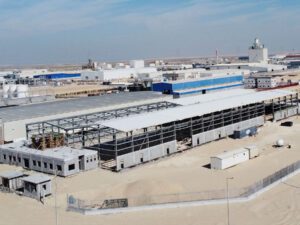
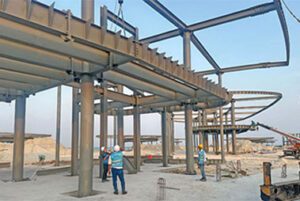




Structural Steel Fabrication
Steel is the world’s most important construction material. All of our lives depend on it. From the common appliances we use in our homes through to the modes of transport we take every day, structural steel products, specifically structural steel, are everywhere. What’s more it can be recycled over and over, and over again.
Without the help of experienced and reliable structural steel fabrication companies, this material would not be as widely available and as commonly used as it is today. Structural steel fabricators have to transform steel into various bespoke products, each with a unique application. What does that involve? We’ve created this short guide to help explain.
What is Structural Steel Fabrication?
Structural steel fabricators create and design steel frame buildings, structures, components and various other products, from raw materials. There are numerous processes involved in steel fabrication work, and the people involved in these processes will have a wealth of knowledge, skill and experience on steel properties.
A steel fabrication expert will be able to demonstrate an understanding of fabrication drawings, given by designers, and transform them into well-crafted structures. These structures and products need to be fabricated with the utmost precision and intricacy if they are to be supplied.
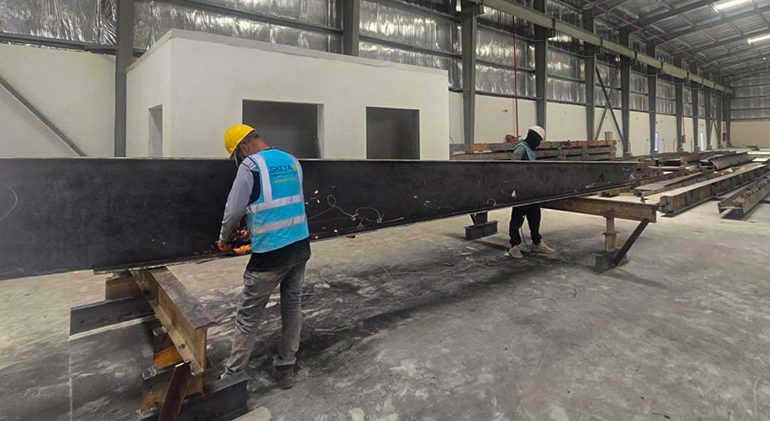
Most steelwork occurs in a factory, by highly-skilled, coded steel welders and fabricators, specially trained to use specific machinery to piece steel parts together. The processes involved are varied and complex, and many aren’t aware of what structural metal fabricators do.
All local steel suppliers registered with Buy A Beam are all vetted and CE-approved to supply structural steel products.
Steel Fabrication Processes & Techniques
So now that you are aware of what steel fabrication is, it’s important to understand the common processes involved in a fabrication project.
Metal fabrication involves creating metal structures by cutting, punching and assembling flat sheets of steel. Steel can be cut, bent or stretched into nearly any shape, when it’s hot enough, making it incredibly malleable for creating bespoke designs.
Below is what is involved in the steel fabrication process.
Cutting
Fabricators use various different types of machinery to cut steel sections, channels or plates to specific sizes and dimensions. Typically speaking, the most common method of cutting is shearing, although band saws can be used, as can torches or laser cutting equipment.
Folding
This process is where the metal is folded into shape at a particular angle. Folding steel can only be done in steel fabrication facilities with the right equipment, as this is a highly complex process.
Welding
Steel welding is the process of bending and joining multiple structural steel sections together, forming a single unit. There are various types of welding, including TIG, MIG or tungsten arc welding.
Shot blasting
Shot blasting steel is done to remove any impurities from steel channels, sections or angles, to prepare them for other fabrication processes.
Bending
Steel frame buildings and other custom-made structures require intricate and detailed steel components. A skilled steel fabrication company will utilize bending and rolling techniques to create curves in shapes.
Forming
The process of forming is where flat sheet metal is formed into three-dimensional shapes. This is done by applying force to change its shape, but without adding or removing any material. Machine-based forming can be done alongside steel welding to produce larger, longer sheets of steel.
Machining
Machining involves the use of special sheet metal fabrication equipment to remove parts of the metal, in order to form the desired shape. This involves carrying out processes such as drilling, shaping, grinding and broaching, with portable machining tools. These tools also machine solid components like screws, nuts, bolts and more.
Punching
Punching is where steel plates are positioned under a die, where a drill punches through the face. The punching process is performed to fasten latches onto the steelwork.
Stamping
The stamping process is used to form specific shapes within a metal section, sheet or panel. As an example, it’s what’s done to stamp words, currency and images onto coins.
Shearing
Steel sheets that require long cuts need to be sheared. These sections are usually fed horizontally through a cutting machine, or alternatively, a cutting tool can be used vertically against the steel plate.
Coating
Structural steel often requires additional primer coats or zinc galvanizing, to prevent corrosion. Special paints give steel beams, steel columns or structures a unique color and look, while also helping to prolong its lifespan, which is helpful if the steel is going to be used in a high-moisture or water area.
Assembling
Once the product has cooled down, sandblasted and primed, the finished product is then assembled for inspection. This is to ensure that the product is safe to be used, and is considered fit-for-purpose.
Now that you know more about the process of steel fabrication, you may be wondering which local steel company to get in touch with regarding an upcoming project you have in the works.
Why Fabricate Structural Steel?
Incorporating structural steel in construction projects has numerous and significant benefits. Steel fabrication is a highly specialized process requiring wide experience and understanding to convert raw steel components into complex products.
By using an experienced structural steel fabrication team it’s possible to achieve the following benefits:
Affordability
Steel is stronger and cheaper than other options and offers more value.
Prefabrication Ability
Pre-fabrication reduces how much work needs to be done on-site enabling construction projects to be fast tracked and completed more quickly and achieving cost savings.
Low Maintenance
Steel is easily repaired and lasts much longer than alternative materials which can break down during corrosive weather conditions.
Appearance
Aesthetics are important to nearly every construction project. Steel provides fantastic design flexibility, looks great and can enhance the appearance of the structure.
Environmental
Steel can be reused and recycled countless times, requires less energy to produce and generates less carbon dioxide than alternative materials.
Types of Structural Steel Used in Fabrication
Forming steel beams and bars for general use is something that steel suppliers do every day. They often take it a step further by taking pre-made parts and turning them into specific products. Projects will usually start with a mixture of the following materials:
Projects will usually start with a mixture of the following materials:
- Steel rods
- Expanded metal
- Flat or sheet metal
- Universal Columns
- Parallel Flange Channels (PFC)
- Universal Beams (I Beam)
- Steel Box Sections and Steel Pipe
Choosing a Steel Fabricator
Structural steel fabrication companies should always strive for producing high-quality steel, efficiently and safely. You should look beyond the bottom line, simply because cheap steel products do not necessarily mean that they will be reliable.
The hard work of a trusted, CE-approved steel fabricator will ensure you receive that high-quality steel and guaranteed longevity, strength and recyclability. With Buy A Beam, you can have access to a wide variety of highly-skilled local steel suppliers, whom you can buy steel directly from. Your products can be customized to your chosen specifications, and Buy A Beam lets you order the products at cost-effective prices, in just a few short minutes.
Ready to Get Started? Contact Us Today!
Phone: +966 138 999 045
- Email: info@skilya.com
- Visit our website at skilya.com to learn more about our services and view our project portfolio.
Our Brochure