

- seo
- September 13, 2026
Skilya Construction Services in Saudi Arabia
Construction projects today require more than the ability to complete individual building activities. Successful project delivery depends on coordination between civil construction, structural systems, MEP installations, infrastructure, finishing works, and the many technical decisions that connect these disciplines.
Skilya Construction Services in Saudi Arabia are built around this integrated approach. By combining multiple construction capabilities within a coordinated project environment, Skilya supports clients across different stages of project delivery while maintaining a focus on quality, efficiency, safety, and practical execution.
From construction and structural steel to MEP, infrastructure, finishing works, and interior design, Skilya provides multidisciplinary solutions for projects with different technical and operational requirements.
What Do Integrated Construction Services Mean?
Integrated construction services bring several disciplines together under a coordinated execution strategy.
Instead of treating civil works, building systems, structural elements, external infrastructure, and finishing as completely separate packages, an integrated approach considers how each stage affects the next.
For project owners, this can improve communication and help reduce coordination problems between different work packages.
A typical construction project may involve:
- Civil and building works
- Structural systems
- Mechanical and electrical installations
- Plumbing and fire systems
- Roads and external infrastructure
- Architectural finishing
- Interior spaces
- Testing and project handover
When these activities are planned with one overall project objective, teams can make better decisions about sequence, access, interfaces, technical requirements, and execution priorities.
This integrated philosophy is an important part of the construction solutions provided by Skilya.
Construction Services for Different Project Requirements
At the center of Skilya’s capabilities are its construction services, supporting different building types and project requirements.
Construction execution involves much more than completing structural and architectural works. It requires careful planning of materials, manpower, equipment, subcontractors, schedules, inspections, and technical interfaces.
Each project also introduces different priorities.
An industrial facility may focus heavily on operational requirements and coordination with machinery or production systems. Commercial buildings may place greater emphasis on accessibility, building services, interior functionality, and customer experience. Educational and residential developments have their own requirements related to space utilization, comfort, safety, and long-term performance.
An effective construction strategy therefore needs to respond to the intended function of the building rather than relying on a single execution model for every project.
Structural Steel as Part of Integrated Project Delivery
Structural steel plays an important role in many modern construction projects, particularly where projects require large spans, flexible layouts, efficient installation, or specialized building configurations.
Skilya provides structural steel solutions as part of its broader construction capabilities.
The value of including structural steel within an integrated construction strategy is coordination.
Steel dimensions, foundations, connection points, roof systems, access requirements, MEP routes, and architectural interfaces all need to work together. Decisions made during one phase can directly influence later activities.
By considering these elements as parts of the same construction process, project teams can reduce conflicts and support smoother execution.
Structural steel will be explored separately in more detail across Skilya’s specialized content, while its role here is to show how different construction disciplines connect within a complete project.
MEP Coordination for Functional Buildings
A building is not complete simply because its architectural and structural elements are finished.
Mechanical, electrical, and plumbing systems determine how the building operates.
Skilya’s MEP services cover key building systems including electrical, plumbing, HVAC, and fire systems.
MEP coordination is especially important because these systems interact with almost every other part of a project.
Ductwork may need to pass around structural elements. Electrical routes need to coordinate with ceilings and equipment locations. Plumbing networks must consider levels, drainage, access, and maintenance. Fire protection installations need to align with the intended use and layout of the facility.
Poor coordination can lead to rework during later construction stages.
Integrated construction planning helps identify these interfaces earlier and allows structural, architectural, and building-services teams to work toward the same project requirements.
Infrastructure Works Beyond the Building
Construction does not stop at the building envelope.
Many developments depend on external works and infrastructure to operate efficiently.
Skilya’s infrastructure services include capabilities related to earthworks, road construction, water networks, and other external project requirements.
These activities can be fundamental to the overall development.
Site preparation establishes the conditions for subsequent construction. Access roads affect the movement of materials, machinery, employees, and visitors. Utility networks connect buildings to the systems they need to function.
Infrastructure must therefore be coordinated with the building itself rather than considered only after the main structure has been completed.
A well-planned site connects buildings, circulation, utilities, external areas, and operational requirements into one practical environment.
Finishing Works and the Final Quality of a Project
Finishing works are among the most visible stages of construction.
They influence how occupants experience the building and often create the final impression of overall project quality.
Skilya provides finishing works covering elements such as painting, marble, ceramic tiles, and other architectural finishes.
However, finishing quality depends heavily on the work completed before finishing begins.
Wall alignment, substrate preparation, MEP openings, ceiling coordination, moisture conditions, installation accuracy, and material sequencing can all affect the final result.
For this reason, finishing should be considered throughout the construction process rather than treated simply as decoration at the end of a project.
Coordinating finishing requirements with earlier construction stages helps deliver a cleaner and more consistent result.
Interior Design and Construction Coordination
Interior spaces need to combine visual quality with functionality.
Through interior design services, project requirements can be considered in relation to space planning, materials, finishes, building services, circulation, and intended use.
The connection between interior design and construction execution is particularly important.
A design may appear successful visually but still create difficulties if electrical points, HVAC systems, ceilings, lighting, furniture, doors, flooring, and maintenance access are not coordinated correctly.
Integrating design considerations with construction planning can help transform concepts into spaces that are both practical and visually coherent.
Why Multidisciplinary Construction Coordination Matters
One of the greatest challenges in construction is not completing each individual activity. It is making sure all activities work together.
A project may involve engineers, suppliers, subcontractors, technicians, project managers, consultants, and client representatives. Each group has responsibilities that can affect other teams.
Poor coordination can result in:
- Conflicting installations
- Construction rework
- Delayed approvals
- Material waste
- Schedule disruption
- Accessibility problems
- Quality inconsistencies
A multidisciplinary construction approach focuses on the interfaces between these activities.
When construction, structural work, MEP, infrastructure, finishing, and interior requirements are considered together, teams have greater visibility over the entire project.
This helps move construction beyond separate work packages toward integrated project delivery.
From Project Scope to Construction Execution
Successful construction begins before physical work starts on site.
Project requirements need to be understood, technical information reviewed, costs evaluated, and construction priorities identified.
Skilya’s published working process includes initial consultation and scope definition, site assessment, design and drawings, quantity and cost evaluation, technical discussions, project kick-off, construction execution, and ongoing project management.
This structured progression helps establish the technical and commercial framework before and during execution.
During construction, project teams then need to manage several interconnected priorities:
Planning and Scheduling
Activities should be organized according to technical dependencies rather than simply started at the earliest opportunity.
Technical Coordination
Drawings, specifications, materials, and interfaces between disciplines need continuous review.
Quality Control
Completed work must be inspected throughout the project rather than only before final handover.
Site Management
Labor, materials, equipment, subcontractors, and access need to be coordinated efficiently.
Communication
Clear communication between project stakeholders helps resolve technical questions and changes before they create larger problems.
Together, these elements support more controlled project delivery.
Skilya’s Approach to Construction Services in Saudi Arabia
About Skilya, the company has operated in the contracting sector since 2016 and maintains its main Saudi presence through Al-Khobar and Dammam.
Its construction model combines multiple disciplines instead of focusing on only one stage of the building process.
The company’s capabilities include construction, structural steel, MEP, infrastructure, finishing works, and interior design. This gives project teams the ability to consider different elements of execution within a broader project strategy.
For clients, the objective of this integrated structure is straightforward: create better coordination between the technical disciplines required to transform a project concept into a completed facility.
Rather than viewing each activity independently, Skilya focuses on how construction systems interact throughout the project lifecycle.
Construction Experience Through Real Projects
The practical value of construction capabilities is demonstrated through completed and ongoing work.
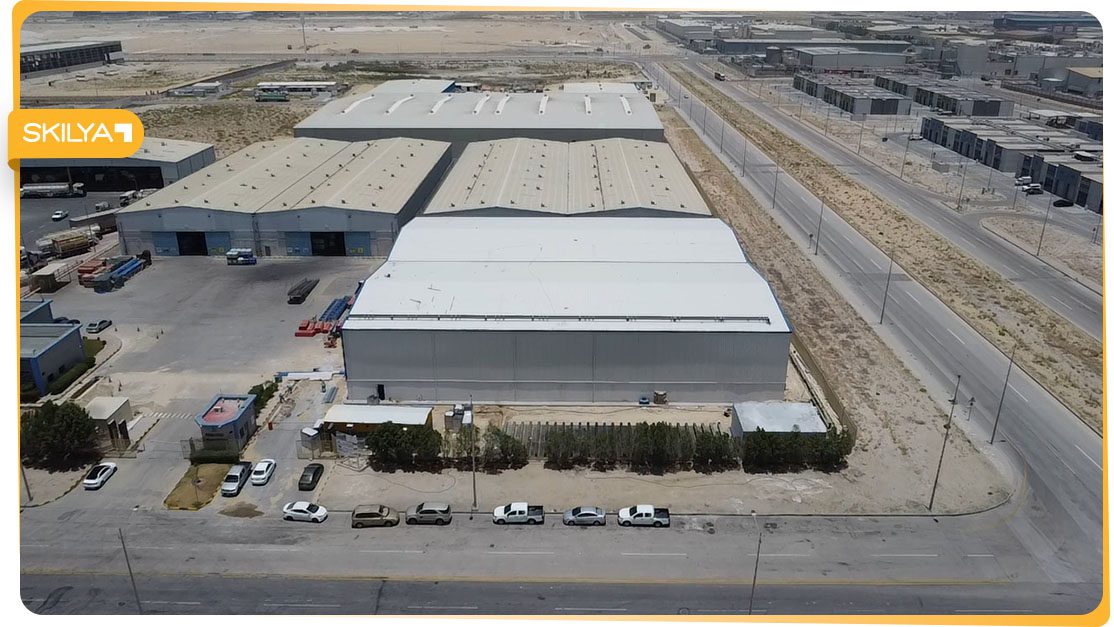
The Skilya projects portfolio includes projects such as Rawabi Electric Factory, United Stars DG Warehouses, SABIC Admin Building, Al-Hayah Downtown, Zurwat Elmajed Steel Fabrication Factory, Al-Qahtani Beverages Warehouse, and other industrial and commercial developments.
Projects with different purposes require different construction strategies.
Factories and warehouses may prioritize structural efficiency, operational layouts, industrial access, service coordination, and future equipment requirements. Commercial and administrative developments may require a different balance of architectural quality, building services, circulation, and interior functionality.
A diverse project portfolio helps a construction team develop experience in adapting execution methods to different site and client requirements.
The Benefits of an Integrated Construction Partner
Working with a contractor that understands several construction disciplines can provide important advantages.
Better Coordination Between Work Packages
Civil, structural, MEP, infrastructure, and architectural requirements can be reviewed in relation to each other.
Clearer Project Communication
Fewer disconnected interfaces can simplify communication between construction teams and project stakeholders.
Earlier Identification of Conflicts
Technical clashes can be identified before they become expensive site problems.
More Efficient Construction Sequencing
Knowing the requirements of different disciplines helps teams determine when each activity should begin.
Greater Focus on the Finished Facility
Instead of optimizing individual packages independently, teams can make decisions based on the performance of the complete project.
These benefits become increasingly important as construction projects become larger and more technically complex.
Supporting Construction Development in Saudi Arabia
Saudi Arabia continues to see development across industrial, commercial, infrastructure, logistics, residential, and other sectors.
This environment increases the importance of construction companies that can coordinate multiple technical disciplines and adapt to varying project requirements.
Integrated construction solutions can help project owners move from initial concepts through execution while maintaining visibility over how the different elements of a facility connect.
For Skilya, this means continuing to develop construction capabilities that combine engineering coordination, practical site execution, quality control, and multidisciplinary project delivery.
Why Choose Skilya Construction Services?
Every project has its own technical, operational, budget, and scheduling requirements.
The role of a construction partner is therefore not simply to provide labor or complete individual activities. It is to understand how all project components need to work together.
Skilya Construction Services in Saudi Arabia bring together construction, structural steel, MEP, infrastructure, finishing works, and interior design within an integrated framework.
This multidisciplinary capability enables Skilya to support projects across different stages while maintaining a strong focus on coordination, execution, and final project quality.
Clients interested in learning more can explore Skilya’s construction projects or review its general contracting capabilities for additional information about project delivery.
Frequently Asked Questions
What construction services does Skilya provide in Saudi Arabia?
Skilya provides multidisciplinary construction capabilities that include building construction, structural steel, MEP, infrastructure, finishing works, and interior design.
Does Skilya provide integrated construction solutions?
Yes. Skilya’s service structure allows different construction disciplines to be coordinated as parts of a broader project delivery strategy.
What types of projects can Skilya support?
Skilya’s portfolio and construction capabilities cover different project environments, including industrial, commercial, administrative, educational, residential, factory, and warehouse developments.
Why is integrated construction coordination important?
Integrated coordination helps construction teams manage interfaces between structural, architectural, MEP, infrastructure, and finishing activities. This can reduce conflicts, rework, and sequencing problems during execution.
Where can I see Skilya construction projects?
Skilya maintains an online projects portfolio where clients can explore examples of completed and ongoing construction work across different sectors in Saudi Arabia.
How can project owners learn more about Skilya?
Clients can visit the Skilya website to explore its company profile, construction services, project portfolio, individual service capabilities, and contact information.