



- seo
- No Comments
- February 19, 2026
Safety Standards in Educational Construction Projects in Saudi Arabia
Safety is a non-negotiable priority in educational construction projects. Schools, universities, and training facilities are environments designed for students, staff, and visitors often with high daily occupancy and strict operational requirements. In Saudi Arabia, educational projects must meet rigorous safety standards that cover construction execution, long-term building operation, and compliance with local regulations.
Understanding safety standards in educational construction helps project owners protect users, avoid delays, and deliver facilities that operate safely throughout their lifecycle.
Why Safety Is Critical in Educational Projects
Educational buildings differ from other project types due to:
- High user density and daily foot traffic
- Presence of children and young adults
- Continuous operation during academic terms
- Strict public and regulatory scrutiny
Any safety failure during construction or after handover can have serious consequences. This makes safety planning essential from the earliest project stages.
Regulatory Framework and Local Requirements
Educational construction projects in Saudi Arabia must comply with national and local safety regulations, civil defense requirements, and relevant building codes. These regulations cover:
- Fire protection and life safety systems
- Emergency exits and evacuation routes
- Structural safety and load requirements
- Accessibility and public safety standards
Early coordination with authorities helps ensure designs and execution meet all approval requirements without late-stage changes.
Construction Site Safety in Educational Projects
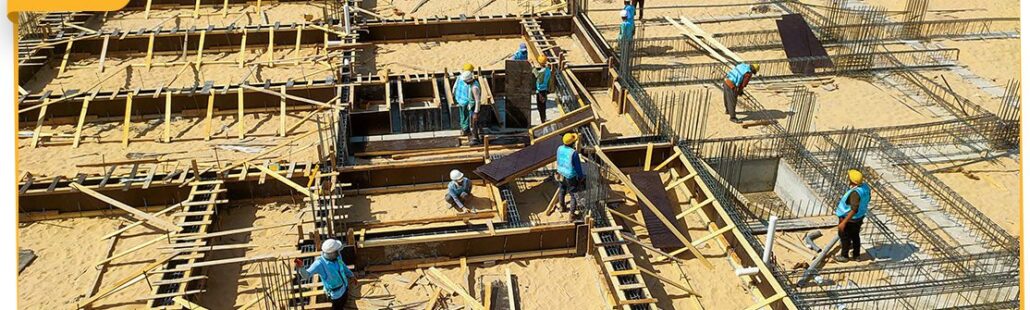
Many educational projects are built within active campuses or near operational facilities. This increases the importance of construction site safety.
Key site safety measures include:
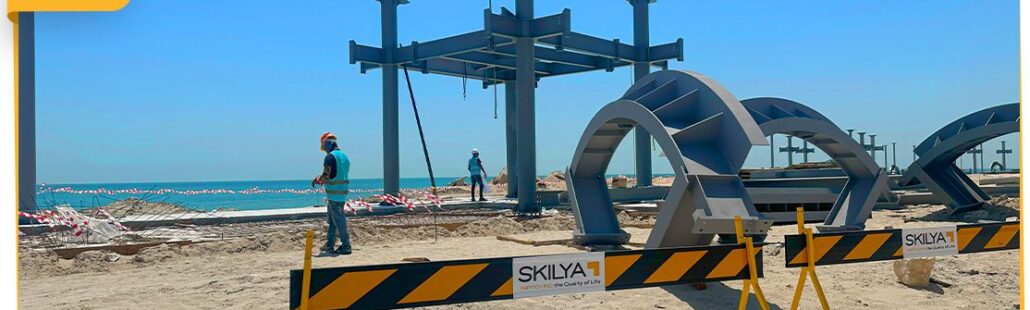
- Clear separation between construction zones and occupied areas
- Controlled access and secure fencing
- Safe pedestrian routes and signage
- Strict site supervision and enforcement
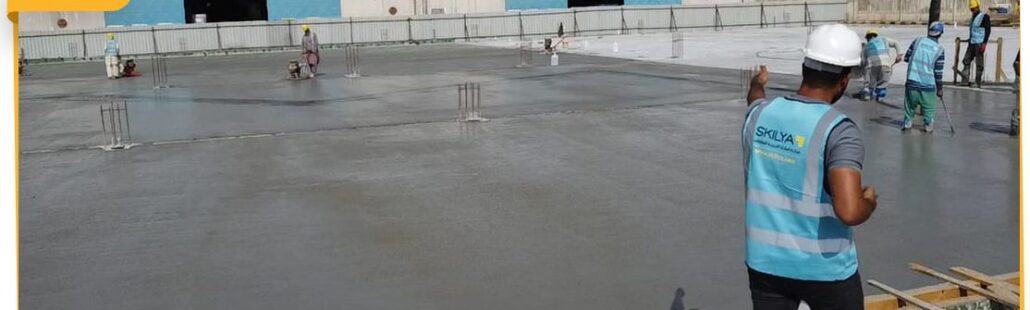
Professional contractors implement site-specific safety plans to protect students, staff, and workers throughout construction.
Fire Safety and Life Protection Systems
Fire safety is one of the most critical components of educational buildings. Saudi standards require comprehensive fire protection systems, including:
- Fire detection and alarm systems
- Automatic fire suppression (sprinklers)
- Smoke control and ventilation
- Clearly marked emergency exits
Contractors must coordinate fire safety systems early with architectural and MEP designs to ensure full compliance and effective performance.
Structural Safety and Design Integrity
Educational buildings must accommodate classrooms, laboratories, libraries, auditoriums, and sports facilities each with different structural demands.
Structural safety considerations include:
- Accurate load calculations
- Compliance with seismic and wind requirements
- Durability under long-term use
Engineering-led execution ensures structures are safe, resilient, and suitable for evolving educational needs.
Health and Environmental Safety
Beyond structural and fire safety, educational buildings must provide healthy learning environments. This includes:
- Adequate ventilation and indoor air quality
- Safe material selection with low emissions
- Proper lighting and acoustic comfort
These factors directly affect student well-being, concentration, and long-term building performance.
Safety During Phased Construction
Educational projects are often delivered in phases to allow ongoing academic operations. Phased construction introduces additional safety challenges.
Effective safety management during phased delivery includes:
- Temporary barriers and access controls
- Adjusted emergency routes
- Clear communication with campus management
Proper planning ensures expansion or renovation work does not compromise daily safety.
Training and Safety Culture on Site
Safety standards are only effective when supported by a strong safety culture. Contractors must ensure:
- Regular safety training for workers
- Toolbox talks and daily safety briefings
- Immediate reporting and correction of hazards
A proactive safety culture reduces accidents and supports uninterrupted project progress.
Inspection, Testing, and Compliance Verification
Safety systems must be tested and verified before handover. Educational projects require:
- Fire system testing and certification
- Emergency lighting and exit verification
- Structural and safety inspections
Thorough testing ensures buildings are safe for occupancy and compliant with all authority requirements.
Best Construction Company in Saudi Arabia
Delivering safe educational facilities depends heavily on contractor capability. Working with a Best Construction Company in Saudi Arabia ensures that safety standards are applied consistently from construction planning and execution to testing and handover.
A leading construction company integrates safety into engineering decisions, site management, and quality control protecting both users and project value.
How Skilya Ensures Safety in Educational Projects
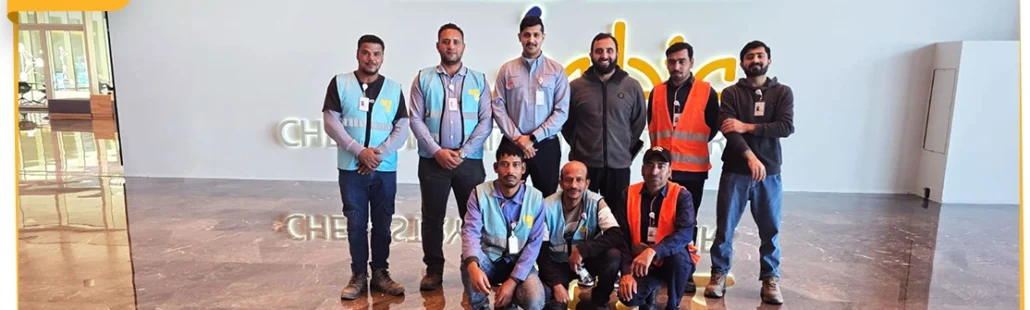
Skilya prioritizes safety across all educational construction projects through structured safety planning, disciplined site management, and full compliance with Saudi regulations. By coordinating fire protection, structural integrity, and environmental safety systems, Skilya delivers educational facilities that meet high safety standards and support secure learning environments.
This commitment to safety allows educational institutions to operate with confidence from day one.
Frequently Asked Questions (FAQ)
Why are safety standards stricter in educational buildings?
Because of high occupancy, public use, and the presence of students and staff daily.
When should safety planning begin?
During early design and planning stages not just during construction.
Are safety systems tested before handover?
Yes. All critical systems must be tested, certified, and approved before occupancy.
Conclusion
Safety standards are fundamental to successful educational construction projects in Saudi Arabia. From site safety and fire protection to structural integrity and healthy environments, every aspect of safety must be planned, executed, and verified with precision. By partnering with experienced construction companies and applying disciplined safety management, educational institutions can deliver facilities that protect users and perform reliably for decades.