



- seo
- No Comments
- February 21, 2026
MEP Coordination Challenges in Industrial Construction Projects
MEP coordination is one of the most complex and risk-sensitive aspects of industrial construction projects. In Saudi Arabia’s industrial sector where facilities include factories, warehouses, logistics hubs, and processing plants mechanical, electrical, and plumbing systems are deeply tied to production processes, safety, and operational efficiency.
Poor MEP coordination can disrupt operations, delay project delivery, and significantly increase lifecycle costs. Understanding these challenges is essential for delivering successful industrial facilities.
Why MEP Coordination Is More Complex in Industrial Projects
Industrial facilities differ from commercial buildings because MEP systems are not designed only for occupant comfort they support machinery, processes, and heavy-duty operations.
Industrial MEP systems must accommodate:
- High electrical loads for machinery
- Specialized ventilation and exhaust systems
- Process-related plumbing and drainage
- Fire protection for high-risk environments
This complexity increases the need for early and precise coordination.
Integration with Industrial Processes and Equipment
One of the biggest MEP challenges is aligning building systems with production equipment. Machinery layouts, process lines, and material flow dictate how MEP systems are routed and sized.
Coordination challenges include:
- Late changes to equipment layouts
- Conflicts between services and machinery foundations
- Insufficient allowances for future equipment upgrades
Early collaboration between engineers, equipment suppliers, and contractors is critical to avoid costly redesigns.
Space Constraints and Service Routing
Industrial buildings often appear spacious, but once structural elements, cranes, ducts, cable trays, and piping are installed, available space becomes limited.
Common routing challenges include:
- Overlapping service paths
- Conflicts with structural beams and crane rails
- Limited access for maintenance
Proper planning of service zones and vertical clearances is essential for efficient coordination.
Electrical Load Management and Distribution
Industrial facilities typically require complex electrical systems to support heavy equipment, automation, and backup power.
Electrical coordination challenges include:
- Accurate load calculations for present and future demand
- Integration of power, control, and data systems
- Safe routing of high-voltage systems
Errors in electrical coordination can result in overloads, downtime, and safety risks.
Mechanical Systems and Industrial Ventilation
Mechanical systems in industrial buildings often go beyond standard HVAC. Ventilation, heat extraction, and process cooling systems must be carefully coordinated.
Challenges include:
- Large ductwork competing for space
- Noise and vibration control
- Balancing thermal comfort with process requirements
Mechanical coordination must align performance needs with structural and architectural constraints.
Plumbing and Process Drainage Complexity
Industrial plumbing systems may include chemical drainage, oil separators, or specialized waste handling systems.
Coordination issues often arise from:
- Inadequate slope and routing
- Conflicts with foundations and slabs
- Late identification of process waste requirements
Early planning prevents rework and ensures regulatory compliance.
Fire Protection and Life Safety Integration
Fire protection in industrial facilities is more complex due to higher fire loads and operational risks. Fire systems must be fully integrated with other MEP services and building layout.
Coordination challenges include:
- Routing sprinkler and suppression systems around equipment
- Integrating detection and alarm systems
- Maintaining access for inspection and maintenance
Proper fire system coordination is essential for safety and regulatory approval.
Sequencing Installation with Construction Progress
MEP installation in industrial projects often overlaps with structural works and equipment installation. Poor sequencing leads to congestion, delays, and damage to installed systems.
Effective sequencing requires:
- Clear installation priorities
- Coordination between trades
- Protection of completed systems
Well-planned sequencing improves productivity and reduces site conflicts.
Commissioning and System Integration
Industrial facilities rely heavily on fully functional MEP systems from day one. Commissioning verifies that systems perform as intended and operate together seamlessly.
Commissioning challenges include:
- Testing under real operational conditions
- Coordinating multiple system interfaces
- Resolving performance issues before handover
Thorough commissioning reduces post-handover disruptions and operational risk.
Impact of Poor MEP Coordination
When MEP coordination is weak, industrial projects face:
- Costly rework and delays
- Equipment installation conflicts
- Reduced system performance
- Higher maintenance and operating costs
These issues can compromise the entire facility’s functionality.
Best Construction Company in Saudi Arabia
Effective MEP coordination requires experience, engineering depth, and disciplined management. Working with a Best Construction Company in Saudi Arabia ensures that MEP systems are coordinated early, integrated properly, and executed with precision.
A leading construction company understands how industrial MEP systems interact with structure, equipment, and operations and manages them accordingly.
How Skilya Manages MEP Coordination in Industrial Projects
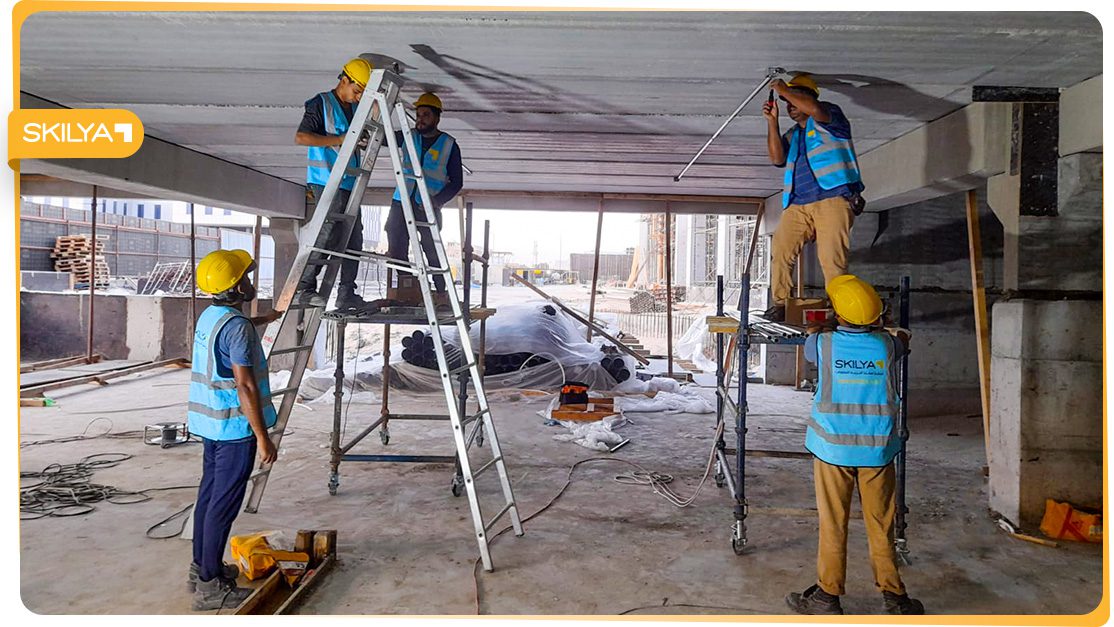
Skilya manages MEP coordination through early engineering integration, structured coordination workshops, and disciplined site execution. By aligning mechanical, electrical, plumbing, and fire systems with structural and process requirements, Skilya ensures industrial facilities operate safely and efficiently from day one.
This approach minimizes conflicts, reduces rework, and supports long-term operational reliability.
Frequently Asked Questions (FAQ)
Why is MEP coordination more difficult in industrial projects?
Because systems must support heavy equipment, processes, and higher safety requirements.
When should MEP coordination start?
During early design and equipment planning stages not after construction begins.
Does good MEP coordination reduce operating costs?
Yes. Well-integrated systems operate more efficiently and require less maintenance.
Conclusion
MEP coordination is a critical success factor in industrial construction projects. By addressing space constraints, process integration, sequencing, and system performance early, contractors can avoid costly mistakes and deliver high-performing facilities. In Saudi Arabia’s industrial sector, strong MEP coordination is essential to building facilities that are safe, efficient, and ready for long-term operation.