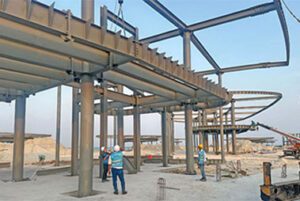





Infrastructure Construction in the GCC: Challenges & Breakthroughs
The Role of Infrastructure Construction in the GCC
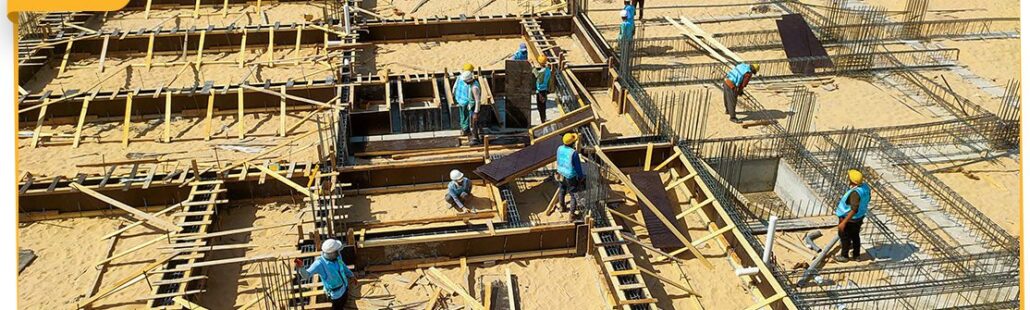
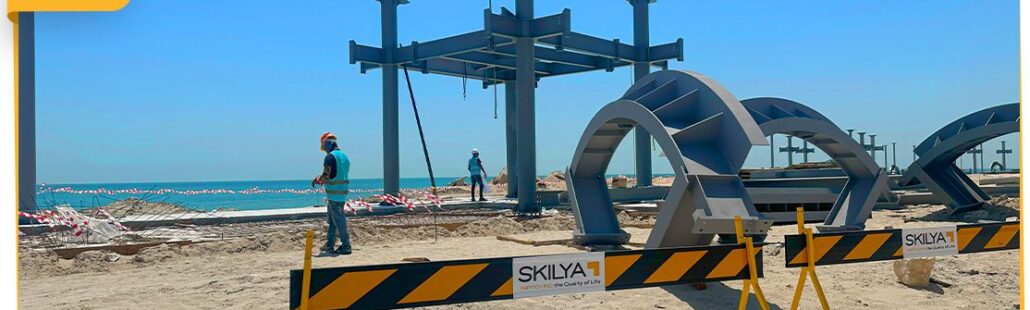
In the Gulf Cooperation Council (GCC) countries, infrastructure construction plays a pivotal role in shaping the economic future of the region. From mega-projects such as new cities, transportation networks, and energy plants to the continuous improvement of urban landscapes, infrastructure projects are fundamental to the region’s economic diversification and sustainability goals. While both general construction and infrastructure construction share similarities, there are key distinctions in their scope, complexity, and long-term impact.
In this blog, we’ll explore the difference between general construction and infrastructure projects, delve into the biggest infrastructure projects in the GCC, and understand the technologies driving this field. We’ll also discuss how infrastructure construction impacts the GCC economy and highlight the key players in this sector, including Skilya Construction Company.
What is the Difference Between General Construction and Infrastructure?
The terms general construction and infrastructure construction are often used interchangeably, but they refer to distinct sectors within the construction industry.
General Construction:
General construction refers to the building of structures like residential homes, commercial offices, retail spaces, and industrial buildings. These projects focus on creating spaces for living, working, and commercial activities. General contractors manage the construction of these spaces, dealing with everything from design and budgeting to project management and quality control.
Infrastructure Construction:
Infrastructure construction, on the other hand, refers to the development of essential systems and frameworks that support societal activities. This includes projects like roads, bridges, railways, airports, water treatment plants, and energy grids. Infrastructure development is typically government-driven and focuses on enhancing the economic and social fabric of a region by providing the physical framework needed to sustain economic growth and development.
The key difference is that infrastructure is built to last for decades, providing long-term functional value to the region, while general construction focuses on creating functional, immediate-use spaces.
What Are the Biggest Infrastructure Projects in the GCC?
The GCC region is home to some of the largest and most ambitious infrastructure projects in the world. These projects not only provide modern amenities but also drive economic diversification as part of the region’s efforts to reduce reliance on oil and gas. Some of the most notable infrastructure projects include:
- NEOM (Saudi Arabia): A $500 billion smart city currently under construction that aims to incorporate AI, renewable energy, and robotics to build a sustainable urban environment.
- Dubai Metro Extension (UAE): The expansion of Dubai’s Metro system aims to improve public transportation, reduce traffic congestion, and support sustainable urban development.
- The Red Sea Project (Saudi Arabia): This multi-billion-dollar tourism and infrastructure project involves the development of luxury resorts, airports, and sustainable energy solutions along the Red Sea coast.
- Doha Metro (Qatar): Part of Qatar’s plan for enhancing its public transport network, this massive metro system will have a significant impact on mobility, congestion, and urban connectivity in Doha.
- Qiddiya (Saudi Arabia): A futuristic entertainment city located near Riyadh, aimed at promoting tourism, cultural heritage, and sports. The infrastructure here will include roads, theme parks, and hospitality sectors.
Why is Infrastructure Construction More Complex?
Infrastructure construction is inherently more complex than general construction due to several factors:
- Scale and Scope: Infrastructure projects typically involve larger-scale developments, spanning vast areas or entire cities. They require coordination among various stakeholders, including governments, contractors, designers, and engineers.
- Technical Expertise: Infrastructure projects often involve complex engineering solutions—such as building bridges that must withstand high traffic volumes or dams that regulate water flow. These projects require advanced technical knowledge and expertise.
- Regulatory Compliance: Infrastructure projects must adhere to rigorous environmental, safety, and government standards. Delays or failures to meet these standards can lead to significant cost overruns and project failure.
- Long-Term Sustainability: Unlike general construction, infrastructure projects are designed to serve generations, making long-term planning, maintenance, and future-proofing crucial. This requires innovative technologies and eco-friendly materials to ensure sustainability.
What Technologies Are Used in Infrastructure Development?
Infrastructure development in the GCC is being transformed by cutting-edge technologies, some of which include:
- Building Information Modeling (BIM): BIM allows architects, engineers, and contractors to create detailed digital models of infrastructure projects, improving design accuracy, reducing construction time, and enabling real-time project monitoring.
- Geographic Information Systems (GIS): GIS helps in planning large-scale infrastructure projects by analyzing geographical data to optimize routes for roads, railways, and utilities.
- Smart Sensors & IoT: Internet of Things (IoT) technology allows for the monitoring of infrastructure systems like roads, buildings, and bridges in real-time. Smart sensors can track the health of infrastructure, enabling predictive maintenance.
- Sustainable Construction Materials: With the rising emphasis on sustainability, recycled materials and green construction practices are being incorporated into infrastructure projects to minimize environmental impact.
- Automation & Robotics: Robotics are increasingly used for tasks like welding, excavation, and materials handling, improving efficiency and safety.
How Does Infrastructure Impact the GCC Economy?
Infrastructure development is vital to the economic growth of the GCC countries. Modern, reliable infrastructure increases productivity, reduces costs, and makes the region more attractive for both local and foreign investments. Here’s how infrastructure projects benefit the economy:
- Boosts Connectivity: Better transportation (roads, railways, airports) and communication networks help to improve the movement of goods and services, facilitating trade and economic integration across the GCC.
- Creates Jobs: Infrastructure projects are labor-intensive, providing employment opportunities for skilled and unskilled workers in fields such as construction, engineering, and project management.
- Attracts Investments: World-class infrastructure attracts multinational companies to establish a presence in the region, providing a platform for future business growth and industrial development.
- Improves Quality of Life: Effective transport systems, water management, and public utilities enhance the overall quality of life for citizens, making the region more livable and sustainable in the long run.
Who Are the Top Infrastructure Developers in the Gulf?
Several key players are leading the charge in infrastructure development in the GCC:
- Saudi Aramco (Saudi Arabia): Saudi Aramco is heavily involved in the development of energy-related infrastructure and industrial parks.
- Emaar Properties (UAE): Known for its contributions to urban development, transportation, and entertainment infrastructure in Dubai.
- Qatar Rail (Qatar): Leading the development of the Doha Metro and related transport systems.
- Skilya Construction Company (Saudi Arabia): Skilya Construction Company is an emerging leader in the GCC’s infrastructure sector, specializing in smart cities, transportation networks, and mega-projects like NEOM and Qiddiya. The company is known for its innovative approach, integrating cutting-edge technologies and sustainability practices in large-scale infrastructure projects.
What is Infrastructure Construction?
Infrastructure construction involves the development of physical and organizational structures needed for the functioning of a society. These projects provide the foundation for daily activities and economic operations. The core components of infrastructure construction include:
- Transportation: Roads, bridges, railways, airports, and ports.
- Utilities: Water supply systems, sewage systems, electrical grids, and telecommunication networks.
- Public Services: Hospitals, schools, government buildings, and public parks.
- Energy: Power plants, oil pipelines, renewable energy sources, and storage facilities.
Difference Between Construction and Infrastructure Projects
The main difference between construction and infrastructure projects lies in their scale, scope, and long-term impact. Construction projects typically involve the creation of buildings or specific facilities for residential, commercial, or industrial purposes. Infrastructure projects, on the other hand, are large-scale, long-term projects designed to improve the overall functioning and connectivity of a region.
Infrastructure projects are more complex due to their sheer scale, integration of multiple systems, and need for ongoing maintenance and monitoring over time.
In Conclusion: The Future of Infrastructure Construction in the GCC
The GCC’s infrastructure construction sector is growing rapidly, driven by Vision 2030, economic diversification, and ambitious development projects. Companies like Skilya Construction Company are leading the way by embracing innovative technologies, sustainable practices, and smart city solutions. The region’s infrastructure boom presents significant challenges but also offers tremendous opportunities for growth, investment, and regional integration.
As the GCC continues to expand its infrastructure, collaboration, innovation, and a commitment to sustainability will be essential in creating infrastructure that can meet the demands of the future.