



- seo
- No Comments
- February 19, 2026
How Contractors Manage Phased Construction for Schools and Universities
Phased construction is a common requirement in educational projects across Saudi Arabia. Schools and universities often need to expand, renovate, or upgrade facilities while remaining fully operational. Managing construction in phases allows institutions to continue academic activities without major disruption but it also introduces unique planning, safety, and coordination challenges.
Understanding how professional contractors manage phased construction helps educational institutions achieve growth while maintaining safe, functional learning environments.
Why Phased Construction Is Essential in Educational Projects
Educational facilities rarely have the option to shut down operations during construction. Academic calendars, examinations, and daily campus life must continue uninterrupted.
Phased construction is typically required to:
- Expand campuses gradually as student numbers grow
- Renovate existing buildings while classes continue
- Add new facilities without disrupting core operations
This approach balances development needs with operational continuity.
Early Master Planning for Phased Delivery
Successful phased construction begins with a clear master plan. Contractors work with owners and designers to map out:
- Long-term campus development goals
- Construction zones and future expansion areas
- Temporary circulation routes and access points
A well-developed master plan ensures each phase integrates smoothly with the next, avoiding rework and operational conflicts.
Defining Clear Phases and Boundaries
Each construction phase must have clearly defined boundaries. This includes:
- Physical separation between construction and occupied areas
- Dedicated access routes for workers and materials
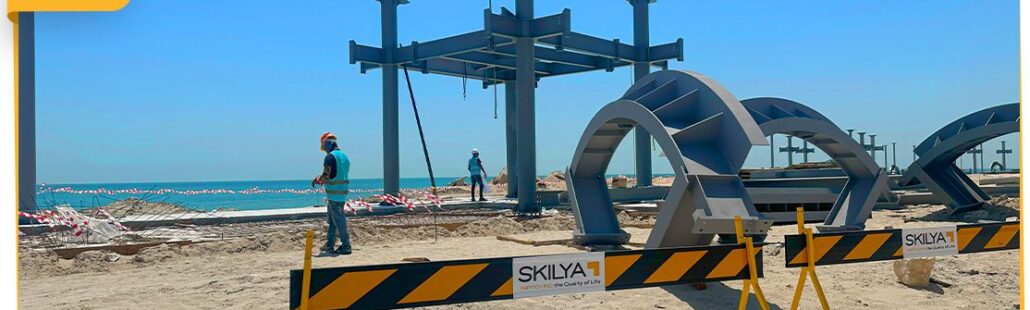
- Temporary fencing, signage, and safety barriers
Clear phase definition protects students, staff, and visitors while allowing construction activities to progress efficiently.
Safety Management in Active Campuses
Safety is the top priority in phased educational construction. Contractors must manage risks associated with:
- Proximity to students and staff
- Noise, dust, and vibration
- Movement of construction equipment
Effective safety strategies include controlled site access, continuous supervision, and coordination with campus administration to align construction activities with academic schedules.
Scheduling Around Academic Operations
Educational projects require flexible scheduling. Contractors plan work to minimize disruption during:
- Examination periods
- School hours
- Major academic events
High-impact activities such as heavy demolition or utility shutdowns are often scheduled during holidays or off-hours. This adaptive scheduling ensures construction progress without interfering with learning.
Utility Coordination and Temporary Services
Phased construction often requires modifications to existing utilities. Contractors must ensure:
- Continuous power, water, and data services for occupied buildings
- Temporary utility connections where needed
- Careful sequencing of shutdowns and tie-ins
Proper utility planning prevents service interruptions that could disrupt academic operations.
Structural and Infrastructure Readiness for Future Phases
Educational buildings designed for phased delivery must accommodate future expansion structurally and infrastructurally. Contractors coordinate with engineers to ensure:
- Structural systems allow additional floors or extensions
- MEP systems are scalable
- Underground infrastructure supports future loads
This forward-looking approach reduces cost and complexity in later phases.
Communication and Stakeholder Coordination
Clear communication is essential in phased construction projects. Contractors maintain regular coordination with:
- School or university management
- Facility operators
- Consultants and authorities
Transparent communication ensures all stakeholders are aware of upcoming works, safety measures, and schedule changes reducing confusion and operational risk.
Quality Control Across Multiple Phases
Maintaining consistent quality across different construction phases can be challenging, especially when phases are delivered years apart.
Professional contractors apply:
- Consistent construction standards
- Documented quality procedures
- Detailed handover records for each phase
This ensures new phases integrate seamlessly with existing facilities in both appearance and performance.
Managing Access and Circulation
As campuses grow in phases, circulation patterns change. Contractors plan pedestrian and vehicle routes carefully to:
- Maintain safe movement across campus
- Separate construction traffic from daily users
- Update wayfinding and signage as phases progress
Good circulation planning supports safety and user experience throughout construction.
Best Construction Company in Saudi Arabia
Managing phased construction for schools and universities requires experience, discipline, and sensitivity to operational needs. Working with a Best Construction Company in Saudi Arabia ensures phased delivery is planned strategically, executed safely, and aligned with long-term campus goals.
A leading construction company understands how to balance development progress with uninterrupted educational operations.
How Skilya Delivers Phased Educational Projects
Skilya manages phased educational construction through detailed master planning, strict safety controls, and adaptive scheduling. By coordinating closely with campus management and aligning construction activities with academic operations, Skilya enables institutions to expand and upgrade facilities without compromising safety or learning continuity.
This approach allows educational projects to grow efficiently while maintaining high standards of quality and operational reliability.
Frequently Asked Questions (FAQ)
Why is phased construction common in educational projects?
Because schools and universities usually need to remain operational during construction.
How are safety risks managed on active campuses?
Through clear separation of construction zones, controlled access, and continuous supervision.
Can phased construction reduce project cost?
Yes. It allows better cash flow management and avoids large-scale operational disruptions.
Conclusion
Phased construction is a practical and effective solution for educational projects in Saudi Arabia. By applying careful planning, safety management, utility coordination, and stakeholder communication, contractors can deliver expansions and upgrades while campuses remain fully functional. With the right construction partner, phased delivery becomes a strategic advantage supporting growth without disruption.