



- seo
- No Comments
- February 19, 2026
Designing Educational Buildings That Support Long-Term Growth
Educational buildings are long-term assets that must evolve with changing learning models, student numbers, and technology. In Saudi Arabia, schools and universities are expanding rapidly, placing greater emphasis on facilities that are not only functional today but adaptable for decades to come. Designing educational buildings that support long-term growth requires strategic planning, flexible design, and disciplined construction execution.
Understanding Growth in Educational Facilities
Growth in educational environments takes multiple forms:
- Increasing student capacity
- Expansion of academic programs
- Integration of new teaching technologies
- Changes in learning methods and space utilization
Designing for growth means anticipating these changes and embedding flexibility into the building from the earliest stages.
Master Planning for Future Expansion
A strong master plan is the foundation of long-term growth. Rather than designing buildings in isolation, educational campuses benefit from a holistic plan that considers:
- Phased development
- Future building zones
- Infrastructure capacity (utilities, circulation, parking)
Master planning allows institutions to expand without disrupting daily operations or requiring costly redesigns later.
Flexible Space Design for Changing Learning Models
Modern education increasingly relies on flexible learning environments. Traditional fixed classrooms may not support collaborative learning, digital instruction, or interdisciplinary programs.
Design strategies that support growth include:
- Modular classrooms that can be reconfigured
- Multi-purpose learning spaces
- Adaptable furniture and partitions
Flexible spaces reduce the need for major renovations as teaching methods evolve.
Structural Design That Allows Vertical and Horizontal Expansion
Structural systems play a key role in long-term growth. Educational buildings designed with expansion in mind often include:
- Load-bearing capacity for future floors
- Structural grids that allow horizontal extensions
- Clear planning for vertical circulation and services
These considerations enable expansion without compromising structural integrity or requiring extensive demolition.
Infrastructure and Utility Capacity Planning
One of the most common barriers to expansion is insufficient infrastructure. Educational buildings must plan for future demand in:
- Electrical capacity
- Data and communication networks
- HVAC systems
- Water and drainage
Oversizing or designing scalable infrastructure from day one allows facilities to grow without replacing major systems.
Integrating Technology for Future Learning
Technology is central to modern education. Designing buildings that support long-term growth requires infrastructure that can adapt to:
- E-learning platforms
- Smart classrooms
- Advanced data and connectivity requirements
Technology-ready buildings include accessible cabling routes, adaptable IT rooms, and flexible system layouts that support upgrades over time.
Sustainability and Operational Efficiency
Educational institutions operate year-round, making operational efficiency critical. Sustainable design supports long-term growth by reducing operating costs and improving building performance.
Key sustainability strategies include:
- Energy-efficient building envelopes
- Optimized HVAC systems
- Natural lighting and ventilation
- Durable materials with long lifespans
Lower operational costs free up resources for future expansion and academic development.
Safety and Circulation Planning
As educational facilities grow, safety and circulation become increasingly important. Designs must ensure:
- Clear pedestrian and vehicle separation
- Safe emergency egress for increased occupancy
- Logical movement between academic, administrative, and recreational zones
Proper circulation planning supports both daily operation and future campus expansion.
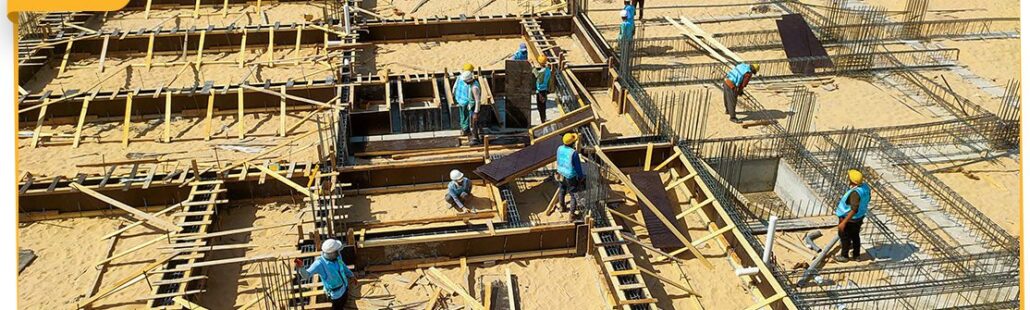
Phased Construction Without Disrupting Operations
Educational buildings often need to expand while remaining operational. Contractors must plan construction phases carefully to minimize disruption to students and staff.
Effective phased delivery includes:
- Clear separation between construction and occupied areas
- Controlled access and safety measures
- Scheduling around academic calendars
Phased planning ensures growth without compromising learning environments.
Best Construction Company in Saudi Arabia
Designing educational buildings for long-term growth requires collaboration between designers, engineers, and contractors. Working with a Best Construction Company in Saudi Arabia ensures that growth considerations are embedded into planning, engineering, and construction execution.
A leading construction company understands how to balance current requirements with future needs delivering educational facilities that adapt over time without excessive cost or disruption.
How Skilya Supports Educational Growth
Skilya supports educational projects through integrated planning and engineering-led execution. By focusing on flexible design, scalable infrastructure, and phased construction strategies, Skilya helps educational institutions develop facilities that support long-term growth and evolving academic needs.
This approach ensures educational buildings remain functional, efficient, and adaptable throughout their lifecycle.
Frequently Asked Questions (FAQ)
Why is flexibility important in educational building design?
Because teaching methods, technology, and student numbers change over time.
Can existing schools be designed for future expansion?
Yes. With proper structural and infrastructure planning, expansion can be achieved efficiently.
How does phased construction help educational institutions?
It allows growth while maintaining daily operations and minimizing disruption.
Conclusion
Designing educational buildings that support long-term growth requires foresight, flexibility, and disciplined execution. Through master planning, adaptable design, scalable infrastructure, and sustainable strategies, educational facilities in Saudi Arabia can grow efficiently over time. By partnering with experienced construction companies, institutions can ensure their buildings remain assets that evolve with future educational demands.