

- seo
- June 13, 2026
The Importance of Site Supervision in Construction Projects
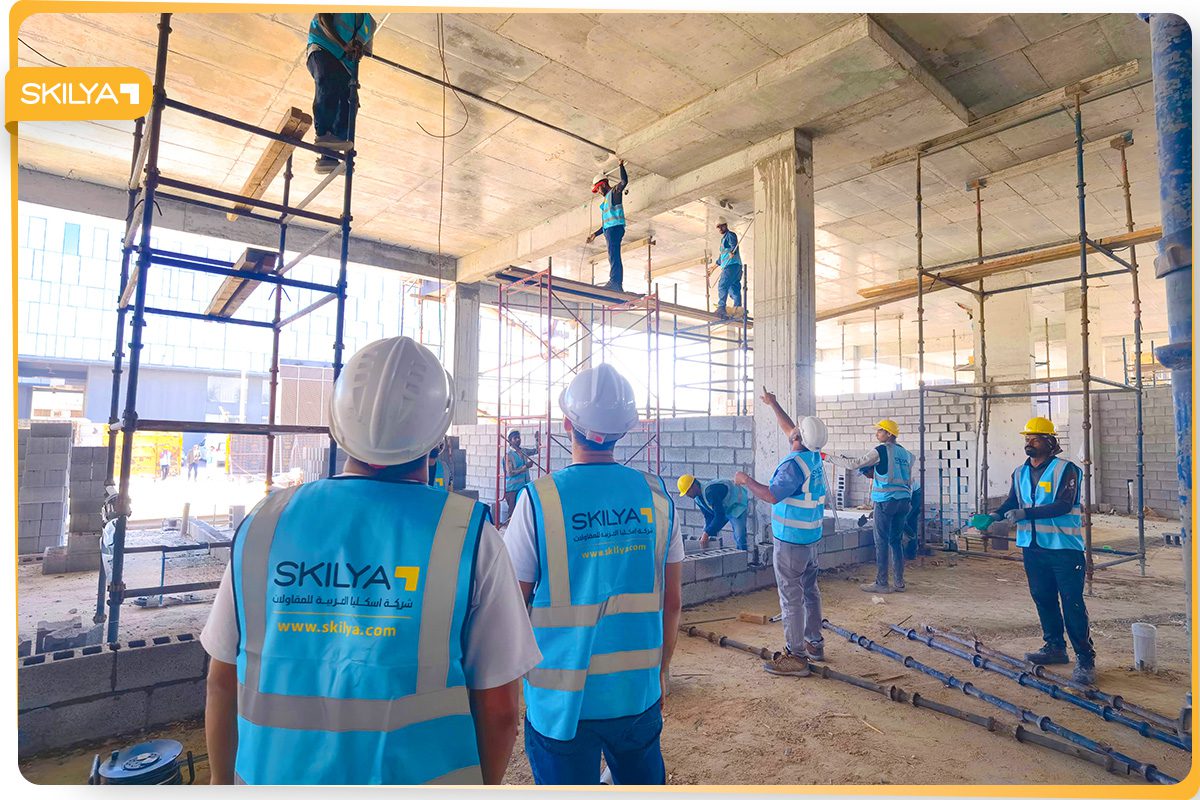
Construction site supervision is one of the most important factors behind successful project execution. Even when a project has strong designs, approved drawings, a clear budget, and a realistic schedule, the final result depends heavily on what happens on site every day. Construction is not only about planning; it is about turning plans into accurate, safe, and high-quality work under real site conditions.
A construction project includes many daily activities, such as excavation, concrete works, steel reinforcement, masonry, waterproofing, electrical installation, plumbing, HVAC works, fire protection systems, finishing works, external works, and testing. Each activity must be executed according to approved drawings, technical specifications, safety standards, and the project schedule. Without proper supervision, mistakes can happen quickly and may not be discovered until they become costly or difficult to fix.
In Saudi Arabia, construction projects often involve complex requirements, strict timelines, multiple subcontractors, authority approvals, and demanding quality standards. Whether the project is a commercial building, factory, warehouse, school, office facility, industrial facility, or infrastructure work, professional site supervision helps protect the project from delays, rework, safety risks, and quality problems.
What Is Construction Site Supervision?
Construction site supervision is the process of monitoring, managing, inspecting, and coordinating work activities on the project site. It is usually handled by site engineers, supervisors, foremen, safety officers, quality control teams, and project managers. Their role is to make sure that every stage of work is completed correctly, safely, and according to the approved project requirements.
Site supervision connects the design and planning stage with actual execution. Drawings and schedules are important, but they need experienced professionals on site to make sure that work is implemented properly. Supervisors guide teams, check materials, inspect workmanship, coordinate subcontractors, solve daily problems, and report project progress.
Good supervision does not mean only watching workers. It means actively controlling the quality, safety, timing, and coordination of site activities. It also means identifying problems early before they affect the rest of the project.
Ensuring Work Matches Approved Drawings
One of the main responsibilities of construction site supervision is making sure that all work matches the approved drawings. Construction drawings contain important details about dimensions, structural elements, materials, layouts, systems, and finishing requirements. If the site team does not follow these drawings accurately, serious problems can occur.
For example, incorrect reinforcement placement can affect structural strength. Wrong plumbing routes can create conflicts with walls or ceilings. Incorrect electrical points can affect functionality. Poor HVAC duct placement can reduce ceiling height or system performance. Finishing mistakes can affect the final appearance and usability of the building.
Site supervisors review drawings and compare them with actual work on site. They also coordinate with engineers and consultants when clarification is needed. This helps prevent mistakes and ensures that the project is built according to the intended design.
Improving Construction Quality Control
Construction quality control depends greatly on site supervision. Quality is not achieved only at the final inspection stage. It must be controlled during every activity, from site preparation to final handover.
Site supervisors check materials before use, monitor installation methods, inspect completed works, and ensure that technical specifications are followed. For example, they check concrete quality, reinforcement spacing, formwork alignment, waterproofing application, block work levels, plastering quality, tile installation, painting finish, cable routing, pipe installation, and equipment placement.
Good supervision helps prevent defects before they become major issues. If a mistake is noticed early, it can be corrected with less cost and less delay. If it is discovered later, it may require demolition, replacement, rework, or additional approvals.
Quality supervision also protects the long-term value of the building. A well-supervised project is more likely to be durable, safe, functional, and easier to maintain after handover.
Reducing Rework and Wasted Resources
Rework is one of the biggest causes of project delays and cost increases. Rework happens when completed work must be corrected, removed, repeated, or modified because it was not done properly the first time. This can waste materials, labor, equipment time, and project budget.
Strong site supervision reduces rework by checking work before, during, and after execution. Supervisors ensure that teams understand the drawings, use the right materials, follow the correct method, and complete each activity according to the required standard.
For example, before concrete casting, supervisors check reinforcement, formwork, embedded items, sleeves, and levels. Before closing ceilings, they check MEP services. Before finishing works begin, they confirm that surfaces are ready. These inspections prevent mistakes that would be expensive to fix later.
Reducing rework helps protect quality, cost, and schedule at the same time.
Supporting Project Time Management
Construction site supervision plays a major role in keeping the project on schedule. A project timeline can only be achieved if daily site activities are organized, monitored, and completed according to plan.
Supervisors track daily progress, manage manpower, coordinate equipment, check material availability, and make sure that work areas are ready for the next activity. If progress is slower than expected, they report the issue and support corrective action.
Without proper supervision, teams may work in the wrong sequence, wait for missing materials, repeat mistakes, or create conflicts with other trades. These problems can delay the project and affect later stages.
Good supervision helps maintain productivity. It ensures that workers are assigned clearly, site activities are prioritized, and problems are solved quickly. This makes the construction process smoother and more predictable.
Coordinating Different Teams on Site
A construction site usually includes many teams working together. Civil teams, structural teams, electrical teams, plumbing teams, HVAC technicians, fire protection specialists, finishing workers, suppliers, and subcontractors may all be active at different stages. If these teams are not coordinated, the project can become disorganized.
Site supervision helps coordinate these teams. Supervisors decide which team works in which area, what activities should happen first, and how different trades should avoid interfering with each other.
For example, MEP rough-in works must be completed before plastering or ceiling closure. Waterproofing must be tested before covering it. Flooring work should begin only when the substrate is prepared. Painting should not start before surface treatment is complete. These sequences are controlled through daily site supervision.
Coordination is especially important in large commercial, industrial, and educational projects where many systems and teams work at the same time.
Strengthening MEP Coordination
MEP systems are among the most important and sensitive parts of modern buildings. Electrical systems, plumbing, HVAC, fire protection, drainage, and low-current systems must be installed accurately and coordinated with civil, structural, architectural, and finishing works.
Site supervision helps ensure that MEP works are executed according to drawings and approved shop drawings. Supervisors check routes, levels, equipment locations, access points, shafts, sleeves, supports, insulation, testing, and safety requirements.
Poor MEP supervision can lead to serious problems such as leaks, electrical faults, weak cooling performance, fire safety issues, poor maintenance access, and conflicts with ceilings or walls. These issues can delay handover and increase maintenance costs after operation.
Strong MEP supervision helps create a building that is safe, efficient, and ready for long-term use.
Improving Construction Safety
Construction safety supervision is essential on every project site. Construction involves many risks, including working at heights, excavation, lifting operations, electrical works, heavy equipment movement, scaffolding, welding, cutting, and material handling.
Site supervisors and safety officers help enforce safety rules, check personal protective equipment, monitor risky activities, inspect tools and equipment, organize site access, and respond to unsafe behavior. They also support risk assessments and emergency procedures.
A safe construction site protects workers, visitors, materials, equipment, and the project itself. Safety incidents can lead to injuries, work stoppages, damaged equipment, legal issues, and project delays. Strong supervision reduces these risks and helps maintain a professional working environment.
Safety also improves productivity. A clean, organized, and controlled site allows teams to work more efficiently.
Managing Materials and Equipment on Site
Site supervision also helps manage materials and equipment. Materials must be delivered, inspected, stored, protected, and used correctly. Equipment must be available, suitable for the task, and operated safely.
Poor material management can cause delays and quality problems. For example, materials may be damaged due to improper storage, used before approval, delivered late, or wasted because of poor handling. Equipment delays can also slow down site activities.
Supervisors help track what materials are needed, confirm availability, check quality, and coordinate with procurement teams. They also ensure that equipment is used efficiently and safely.
This level of control helps reduce waste, protect the budget, and support continuous progress.
Solving Site Problems Quickly
Even with strong planning, construction sites often face unexpected problems. These may include site condition changes, drawing conflicts, material issues, coordination problems, manpower shortages, weather effects, or technical questions.
Site supervision helps solve these problems quickly. Because supervisors are present on site, they can identify issues early and communicate with project managers, consultants, engineers, suppliers, or subcontractors when needed.
Fast problem-solving prevents work stoppages and keeps the project moving. A weak supervision system may allow problems to grow until they affect multiple activities.
In construction, early action is always better than late correction.
Improving Communication and Reporting
Professional site supervision supports clear communication between the contractor, owner, consultant, subcontractors, and suppliers. Supervisors prepare daily reports, progress updates, inspection requests, material reports, safety observations, and issue logs.
These reports help project managers and owners understand what is happening on site. They also provide documentation for decisions, approvals, delays, and completed work.
Good reporting reduces misunderstandings. It helps all parties stay aligned and gives the project team accurate information for planning and decision-making.
Supporting Final Handover
Site supervision affects final handover from the beginning of the project. A well-supervised project usually has fewer defects, fewer unresolved issues, and a smoother handover process.
Before handover, supervisors help complete snag lists, coordinate testing and commissioning, confirm finishing quality, check MEP systems, review documentation, and support final inspections. If supervision was weak during construction, the handover stage may reveal many problems that take time to correct.
Strong supervision helps ensure that the project is not only completed but also ready for operation.
Why Skilya Focuses on Strong Site Supervision
Skilya Construction Company understands that successful construction depends on accurate execution and daily site control. Through its integrated construction and contracting services, Skilya supports project owners with professional supervision, technical coordination, quality control, safety awareness, and project management.
Skilya works across general contracting, civil works, structural steel, MEP systems, HVAC, electrical, plumbing, finishing works, infrastructure, road construction, and interior-related services. This wide experience allows the company to coordinate different site activities and maintain better control over execution.
For businesses, developers, and institutions looking for a reliable construction company in Saudi Arabia, Skilya provides the technical capabilities needed to manage site activities from early execution to final handover.
Conclusion
Construction site supervision is essential for project success. It ensures that work follows approved drawings, quality standards, safety rules, project schedules, and technical requirements. It also reduces rework, improves coordination, manages materials, supports communication, solves site problems, and prepares the project for smooth handover.
A project without strong supervision is more likely to face delays, quality issues, safety risks, and cost increases. A well-supervised project is more organized, more efficient, and more reliable.
In Saudi Arabia’s competitive construction market, project owners need contractors who understand the importance of daily site control. By working with an experienced construction partner like Skilya, owners can improve execution quality, reduce risks, and achieve stronger project outcomes.
FAQs
What is construction site supervision?
Construction site supervision is the process of monitoring, inspecting, coordinating, and controlling construction activities on site to ensure that work follows approved drawings, specifications, safety standards, and project timelines.
Why is site supervision important in construction?
Site supervision is important because it protects quality, reduces rework, improves safety, supports schedule control, coordinates teams, manages materials, and helps solve problems during execution.
Who is responsible for site supervision?
Site supervision is usually handled by site engineers, supervisors, project managers, safety officers, quality control teams, and contractor representatives.
How does site supervision reduce construction delays?
Site supervision reduces delays by monitoring daily progress, coordinating teams, identifying problems early, preventing rework, managing materials, and ensuring that work is completed in the correct sequence.
Why choose Skilya for construction projects?
Skilya provides integrated construction services, site supervision, project management, quality control, MEP coordination, safety management, and experience across general contracting, commercial, industrial, educational, infrastructure, and finishing projects.