

- seo
- June 13, 2026
What Makes a Construction Project Successful in Saudi Arabia?
A successful construction project in Saudi Arabia is not only measured by completing a building or handing over a site. True success depends on how well the project is planned, managed, executed, supervised, and delivered according to the owner’s goals, safety standards, technical requirements, and long-term operational needs. In a fast-growing market like Saudi Arabia, where commercial, industrial, residential, educational, and infrastructure projects are expanding rapidly, success requires more than basic construction work. It requires strong coordination, engineering knowledge, reliable project management, and a professional contractor who can control every stage of the process.
Whether the project is a factory, office building, school, warehouse, commercial facility, or infrastructure development, every detail matters. The quality of planning before construction begins often determines the quality of the final result. This is why choosing the right construction company in Saudi Arabia plays a major role in avoiding delays, reducing risks, controlling costs, and ensuring that the project is delivered with the expected quality.
Strong Planning Before Construction Begins
Every successful construction project starts long before workers arrive on site. The planning stage is where the project owner, consultant, engineers, and contractor define the project scope, technical requirements, budget, schedule, materials, risks, and expected outcomes. Without proper planning, even a simple project can face serious delays, cost increases, design conflicts, and execution mistakes.
Construction project planning should include a clear understanding of the land condition, soil requirements, project drawings, structural needs, MEP systems, safety requirements, authority approvals, manpower planning, equipment needs, and procurement schedule. This helps all parties understand what needs to be done and when each stage should be completed.
In Saudi Arabia, planning becomes even more important because many projects must comply with local regulations, municipality requirements, civil defense standards, environmental considerations, and sector-specific guidelines. A professional contractor knows how to align the construction process with these requirements from the beginning instead of dealing with problems later during execution.
Choosing the Right Construction Contractor
One of the most important factors behind a successful construction project in Saudi Arabia is selecting the right contractor. A contractor is not only responsible for carrying out physical construction work. The contractor also manages site operations, coordinates teams, controls quality, follows the project timeline, handles technical challenges, and ensures that the project moves forward according to the approved plan.
A reliable contractor should have experience in similar projects, a strong engineering team, qualified supervisors, proper equipment, trusted suppliers, and a clear understanding of safety and quality standards. The contractor should also be able to communicate clearly with the project owner and consultant throughout the entire project.
Many project delays happen because owners choose contractors based only on the lowest price. While cost is important, it should not be the only factor. A low-cost contractor with weak management can lead to delays, poor workmanship, rework, safety issues, and higher long-term expenses. A professional construction company in Saudi Arabia provides value by balancing cost, quality, time, and technical performance.
Clear Scope of Work and Project Documentation
A successful construction project needs a clear and detailed scope of work. The scope defines exactly what will be executed, what materials will be used, what standards will be followed, and what deliverables are expected at each stage. If the scope is unclear, disputes can happen between the owner, consultant, and contractor.
Proper documentation protects the project from confusion. This includes contracts, approved drawings, technical specifications, schedules, variation orders, inspection reports, material approvals, progress reports, and handover documents. These documents help track the project’s performance and provide a clear record of decisions and responsibilities.
In large construction projects, documentation is not just an administrative task. It is a key part of project control. It allows the project team to monitor progress, identify risks early, and make decisions based on accurate information.
Effective Project Management
Project management in construction is one of the main reasons some projects succeed while others fail. A construction project includes many moving parts: civil works, structural works, MEP systems, finishing works, procurement, manpower, equipment, safety, inspections, and approvals. If these elements are not managed properly, the project can quickly become disorganized.
Effective project management includes scheduling, cost control, resource planning, team coordination, risk management, communication, quality checks, and progress monitoring. The project manager must ensure that all teams work together without delays or conflicts.
For example, MEP works must be coordinated with structural and finishing works. Electrical, plumbing, HVAC, and fire protection systems must be planned carefully so they do not conflict with architectural or structural elements. Poor coordination can cause rework, delays, and additional costs. This is why experienced contractors place strong importance on planning and coordination between all departments.
Quality Control at Every Stage
Quality is one of the most important signs of a successful construction project. Good quality does not happen by chance. It requires continuous inspection, skilled labor, approved materials, proper supervision, and strict compliance with technical specifications.
Construction quality control should begin from the first stage of site preparation and continue until final handover. This includes checking concrete works, steel reinforcement, structural elements, block works, waterproofing, insulation, MEP installations, finishing works, flooring, painting, doors, windows, and external works.
Using high-quality materials is important, but materials alone are not enough. The way materials are installed and supervised is equally important. Poor workmanship can damage even the best materials. A professional contractor ensures that every stage is inspected before moving to the next stage.
Quality control also reduces maintenance problems after handover. Buildings that are executed properly are more durable, safer, and more cost-effective in the long term.
Safety and Risk Management
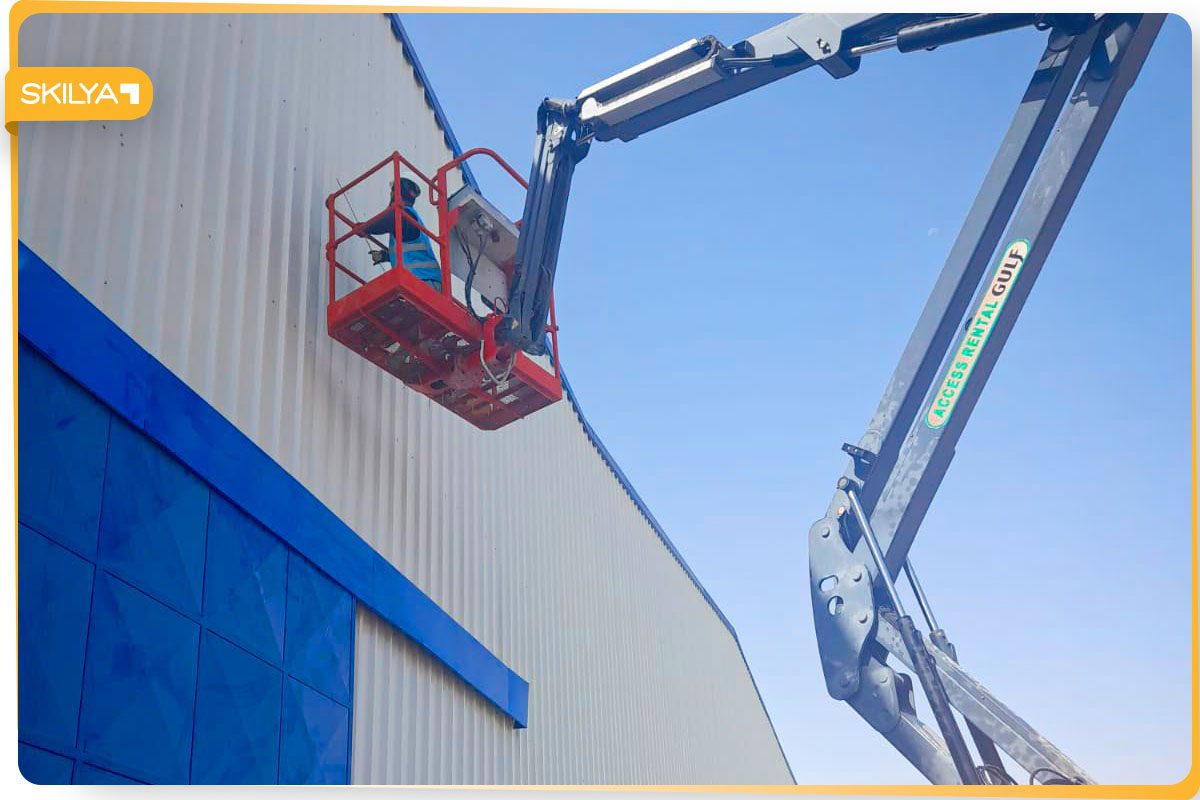
A successful construction project is also a safe project. Construction sites include many risks, such as working at heights, heavy equipment, electrical works, excavation, lifting operations, and material handling. Without proper safety management, workers, visitors, equipment, and the project itself can be exposed to serious danger.
Safety management should include site safety plans, personal protective equipment, safety training, risk assessments, emergency procedures, equipment inspection, and daily supervision. A responsible contractor does not treat safety as an optional requirement. Safety should be part of the project culture.
In Saudi Arabia, safety is especially important for industrial, commercial, and infrastructure projects where multiple teams may work at the same time. Strong safety management helps reduce accidents, avoid work stoppages, protect workers, and maintain professional project performance.
Proper Coordination Between Civil, Structural, MEP, and Finishing Works
One of the biggest challenges in construction is coordination. A building is not only concrete, steel, and walls. It includes electrical systems, plumbing networks, HVAC systems, fire protection, drainage, flooring, ceilings, lighting, ventilation, insulation, and finishing details. These systems must work together smoothly.
If coordination is weak, serious problems can appear during construction. For example, HVAC ducts may conflict with structural beams, plumbing lines may interfere with ceiling levels, or electrical routes may need changes after finishing has already started. These mistakes cause delays and increase costs.
Successful construction companies use experienced engineers and supervisors to coordinate between different trades. They review drawings carefully, identify conflicts early, and ensure that each team works according to the project sequence.
Realistic Scheduling and Time Control
Time is a major success factor in construction. Every project owner wants the project to be completed on time, but unrealistic schedules often create pressure and lead to mistakes. A professional contractor prepares a practical schedule based on the project scope, manpower, materials, equipment, approvals, and site conditions.
A strong project schedule should include clear milestones for each stage, such as mobilization, excavation, foundation works, structural works, MEP rough-in, finishing works, testing, commissioning, and handover. Progress should be monitored regularly to identify delays early.
Time control does not mean rushing the work. It means managing resources properly, avoiding unnecessary delays, solving problems quickly, and making sure each phase is completed at the right time and with the right quality.
Communication Between All Project Parties
Clear communication is essential for construction project success. The owner, consultant, contractor, subcontractors, suppliers, and site teams must stay aligned throughout the project. Poor communication can lead to misunderstanding, repeated work, approval delays, and conflicts.
Regular meetings, progress reports, technical discussions, inspection updates, and documented approvals help keep the project organized. Good communication also allows problems to be solved early before they become expensive or difficult to manage.
A professional contractor communicates clearly and transparently. This gives the project owner confidence and helps all parties make better decisions.
Final Handover and Post-Construction Support
The final stage of a successful construction project is not just handing over the keys. Proper handover includes final inspections, testing and commissioning, snag list completion, as-built drawings, operation manuals, warranty documents, authority approvals, and confirmation that all systems are working correctly.
For commercial, educational, and industrial buildings, handover is especially important because the building must be ready for real operation. Electrical systems, HVAC systems, plumbing, fire protection, lighting, ventilation, and other systems must be tested before the building is used.
A strong contractor does not disappear after construction is completed. Post-construction support, maintenance guidance, and proper documentation help the owner operate the facility smoothly.
Why Skilya Is a Reliable Partner for Construction Projects in Saudi Arabia
Skilya Construction Company provides integrated construction and contracting services for projects across Saudi Arabia and the Gulf region. With experience in general contracting, civil works, structural steel, MEP systems, finishing works, infrastructure, road construction, HVAC, electrical, plumbing, and interior-related works, Skilya supports clients through different stages of construction.
What makes Skilya valuable for project owners is its ability to combine engineering knowledge, project management, technical execution, and quality-focused delivery. The company works on creating cost-effective, high-quality, and sustainable project results while maintaining strong standards in safety, coordination, and performance.
For owners looking for a professional construction company in Saudi Arabia, Skilya offers the experience and capabilities needed to manage complex construction requirements and deliver projects that support long-term value.
Conclusion
A successful construction project in Saudi Arabia depends on strong planning, the right contractor, clear documentation, effective project management, quality control, safety, coordination, realistic scheduling, and proper handover. Each of these factors plays an important role in turning a construction idea into a complete, functional, and valuable project.
In a competitive and fast-growing construction market, success is not only about building quickly. It is about building correctly, safely, and sustainably. Choosing a professional construction partner like Skilya can help project owners reduce risks, improve quality, and achieve better results from concept to completion.
FAQs
What is the most important factor in a successful construction project?
The most important factor is proper planning combined with professional project management. Without a clear plan, even experienced teams may face delays, cost increases, and coordination problems.
Why is contractor selection important in Saudi construction projects?
The contractor controls execution, quality, scheduling, site coordination, and safety. Choosing the right contractor helps reduce risks and ensures that the project is delivered according to the required standards.
How can construction delays be reduced?
Delays can be reduced through realistic scheduling, early procurement, clear communication, proper supervision, and strong coordination between civil, structural, MEP, and finishing teams.
Why is quality control important in construction?
Quality control ensures that all works are executed according to specifications. It reduces defects, improves durability, and lowers future maintenance costs.
What makes Skilya a strong choice for construction projects?
Skilya provides integrated contracting services, technical expertise, project management capabilities, and experience across construction, MEP, finishing, infrastructure, and industrial project requirements