

- seo
- February 22, 2026
Construction Quality Control: From Materials to Final Handover
Construction quality control is the backbone of successful construction projects. In Saudi Arabia’s construction market where projects are large, complex, and long-term quality cannot be left to chance. From the moment materials arrive on site until the final handover, structured quality control ensures that buildings meet specifications, perform as intended, and deliver lasting value.
Understanding how quality control works across the entire project lifecycle helps owners reduce rework, avoid disputes, and protect long-term performance.
What Construction Quality Control Really Means
Construction quality control (QC) is a systematic process that ensures all works comply with:
- Approved drawings and specifications
- Applicable codes and standards
- Client and regulatory requirements
QC is not limited to inspections at the end it is an ongoing process embedded in daily construction activities.
Quality Control Starts with Approved Materials
Quality begins before construction starts at the material approval stage. Using incorrect or substandard materials is one of the most common causes of defects.
Effective material quality control includes:
- Reviewing material submittals and samples
- Verifying compliance with specifications
- Inspecting materials upon delivery
- Rejecting damaged or non-compliant items
Early material control prevents downstream quality issues and costly rework.
Supplier and Subcontractor Quality Management
Construction quality depends heavily on suppliers and subcontractors. Even with good designs, poor execution undermines outcomes.
Professional QC systems require:
- Prequalification of subcontractors
- Clear workmanship standards
- Continuous monitoring of subcontractor performance
Consistent quality expectations across all parties reduce variability and defects.
Inspection and Test Plans (ITPs)
Inspection and Test Plans define how quality will be verified at each stage of construction. ITPs identify:
- Inspection points
- Testing requirements
- Responsible parties
- Acceptance criteria
Structured ITPs ensure critical works are inspected before progressing preventing hidden defects.
Structural Quality Control
Structural elements require strict quality oversight due to their impact on safety and durability.
Structural QC includes:
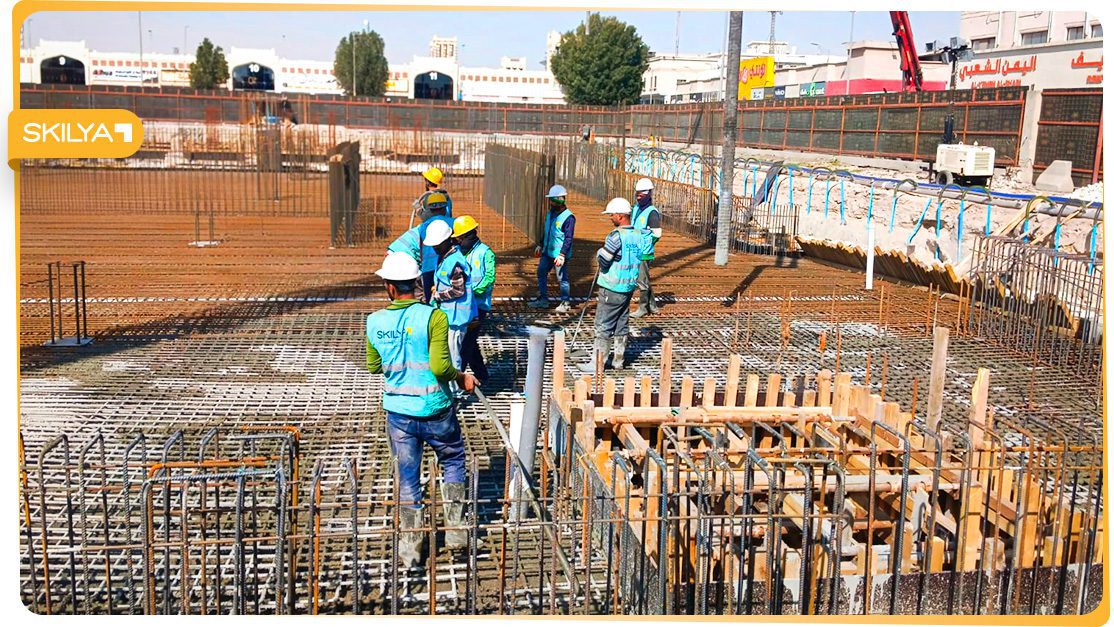
- Verification of reinforcement placement
- Concrete testing and curing control
- Inspection of formwork and alignment
- Monitoring of structural tolerances
Early detection of structural issues prevents serious safety and performance risks.
Architectural and Finishing Quality Control
Finishes define the visible quality of a project and strongly influence user perception.
Architectural QC focuses on:
- Surface alignment and tolerances
- Material consistency and workmanship
- Protection of finished works
- Mock-ups and sample approvals
Controlled finishing processes ensure consistency across large projects.
MEP Quality Control and System Performance
MEP systems are among the most common sources of post-handover complaints. Quality control ensures systems are installed and commissioned correctly.
MEP QC includes:
- Installation inspections
- Pressure and performance testing
- Coordination verification
- Functional testing before commissioning
Proper MEP QC ensures comfort, safety, and operational efficiency.
Documentation and Traceability
Quality control relies on proper documentation. Inspection records, test results, approvals, and certifications provide traceability and accountability.
Accurate documentation:
- Supports authority approvals
- Protects owners and contractors
- Facilitates future maintenance and modifications
Well-documented QC systems reduce disputes and support smooth handover.
Managing Non-Conformities and Corrective Actions
No project is free from issues but how they are managed defines overall quality.
Effective QC systems:
- Identify non-conformities early
- Document root causes
- Implement corrective actions
- Verify resolution before proceeding
This disciplined approach prevents repeated errors and quality deterioration.
Quality Control During Testing and Commissioning
Testing and commissioning verify that systems perform as designed. QC teams ensure:
- All systems are tested under real conditions
- Deficiencies are rectified
- Performance meets specifications
Commissioning QC bridges the gap between construction completion and operational readiness.
Snagging and Final Quality Verification
Before handover, projects undergo detailed snagging to identify remaining defects.
Final QC activities include:
- Comprehensive inspections
- Defect tracking and closure
- Verification of completed works
Proper snagging ensures the building is ready for occupancy not for repair.
Quality Control at Handover and Beyond
Quality control does not end at handover. Deliverables such as as-built drawings, operation manuals, and warranties are part of quality assurance.
Well-managed handover QC ensures:
- Smooth transition to operation
- Reduced post-handover issues
- Long-term asset performance
Quality Control in Saudi Arabia’s Construction Environment
Saudi projects face high expectations, authority oversight, and long asset lifecycles. Robust QC systems are essential to meet:
- Regulatory requirements
- Client expectations
- Performance and durability standards
Projects without strong QC frameworks struggle to maintain consistency at scale.
Best Construction Company in Saudi Arabia
Construction quality control is a defining characteristic of a Best Construction Company in Saudi Arabia. Leading construction companies embed QC into every process from procurement to handover.
A top construction company understands that quality control is not a delay it is the fastest path to reliable delivery and long-term success.
How Skilya Delivers Quality from Start to Finish
Skilya delivers construction projects through structured quality control systems covering materials, execution, testing, and handover. By enforcing inspection plans, monitoring subcontractor performance, and ensuring full documentation, Skilya helps clients receive projects that meet specifications and perform reliably over time.
This disciplined QC approach reduces rework, protects schedules, and supports durable project outcomes.
Frequently Asked Questions (FAQ)
When should quality control begin?
From material approval and procurement not at the end of construction.
Does quality control slow down projects?
No. It prevents rework, which is far more time-consuming.
Is quality control required for all project types?
Yes. All construction projects benefit from structured QC systems.
Conclusion
Construction quality control is a continuous process that spans the entire project lifecycle. By controlling materials, execution, testing, and handover, quality systems protect safety, performance, and long-term value. In Saudi Arabia’s demanding construction market, strong quality control is essential to delivering projects that meet expectations today and perform reliably for decades to come.