

- seo
- February 19, 2026
Building for Heavy Loads Engineering Considerations in Industrial Facilities
Industrial facilities are built to carry far more than people and furniture. Heavy machinery, production lines, storage racks, cranes, and constant vehicle movement place extreme demands on structures and foundations. In Saudi Arabia’s rapidly expanding industrial sector, engineering for heavy loads is one of the most critical success factors in industrial construction.
Understanding how industrial facilities are engineered to handle heavy loads helps project owners reduce risk, prevent structural failure, and ensure long-term operational reliability.
Why Heavy Loads Change Everything in Industrial Design
Unlike commercial buildings, industrial facilities are process-driven. Equipment weight, vibration, and dynamic loads directly influence how structures are designed and constructed.
Heavy-load considerations affect:
- Structural systems and framing
- Foundations and soil interaction
- Floor thickness and reinforcement
- Long-term durability and maintenance
Ignoring these factors can lead to cracking, settlement, equipment misalignment, and operational shutdowns.
Load Identification and Engineering Analysis
The first step in building for heavy loads is accurately identifying all loads the facility will experience.
Industrial load analysis includes:
- Static loads from machinery and storage systems
- Dynamic loads from moving equipment and cranes
- Impact loads from forklifts and vehicles
- Future load allowances for expansion or upgrades
Engineers use this data to design structures that safely distribute loads without overstressing any component.
Structural System Selection for Industrial Buildings
Choosing the right structural system is essential for handling heavy loads efficiently.
Common industrial structural systems include:
- Reinforced concrete frames for heavy-duty applications
- Steel structures with long spans for flexible layouts
- Hybrid systems combining steel and concrete
The selected system must balance load capacity, constructability, cost, and future adaptability.
Foundation Design and Soil Interaction
Heavy loads transfer directly to the ground, making foundation design a critical element of industrial construction.
Engineering considerations include:
- Soil bearing capacity and settlement behavior
- Selection of shallow or deep foundations
- Load distribution beneath heavy equipment
- Vibration control for sensitive machinery
Accurate geotechnical investigations and foundation design prevent long-term settlement and structural distress.
Industrial Floor Design for Heavy Loads
Industrial floors are among the most heavily stressed elements in any facility. They must support static equipment loads and dynamic traffic without cracking or deformation.
Key floor engineering considerations include:
- Slab thickness and reinforcement detailing
- Joint design and load transfer systems
- Surface flatness and levelness tolerances
- Resistance to abrasion, impact, and chemicals
Well-engineered industrial floors protect equipment performance and reduce maintenance costs.
Vibration Control and Equipment Stability
Heavy machinery often generates vibration that can affect both structural integrity and production accuracy.
Engineering solutions for vibration control include:
- Isolated foundations for sensitive equipment
- Increased structural stiffness
- Damping systems where required
Controlling vibration improves equipment lifespan and operational reliability.
Crane Loads and Overhead Systems
Many industrial facilities incorporate overhead cranes for material handling. Crane loads introduce additional structural challenges due to dynamic forces and repeated loading cycles.
Engineering for crane systems involves:
- Designing beams and columns for crane loads
- Accounting for horizontal and vertical forces
- Ensuring fatigue resistance over time
Proper crane integration is essential for safe and efficient industrial operations.
Allowing for Future Expansion and Load Increases
Industrial facilities often evolve as production needs change. Engineering for heavy loads must consider future expansion and equipment upgrades.
Forward-looking design includes:
- Structural capacity allowances
- Modular layouts that support extension
- Scalable utility and floor systems
Planning for future loads reduces disruption and cost when facilities expand.
Construction Accuracy and Quality Control
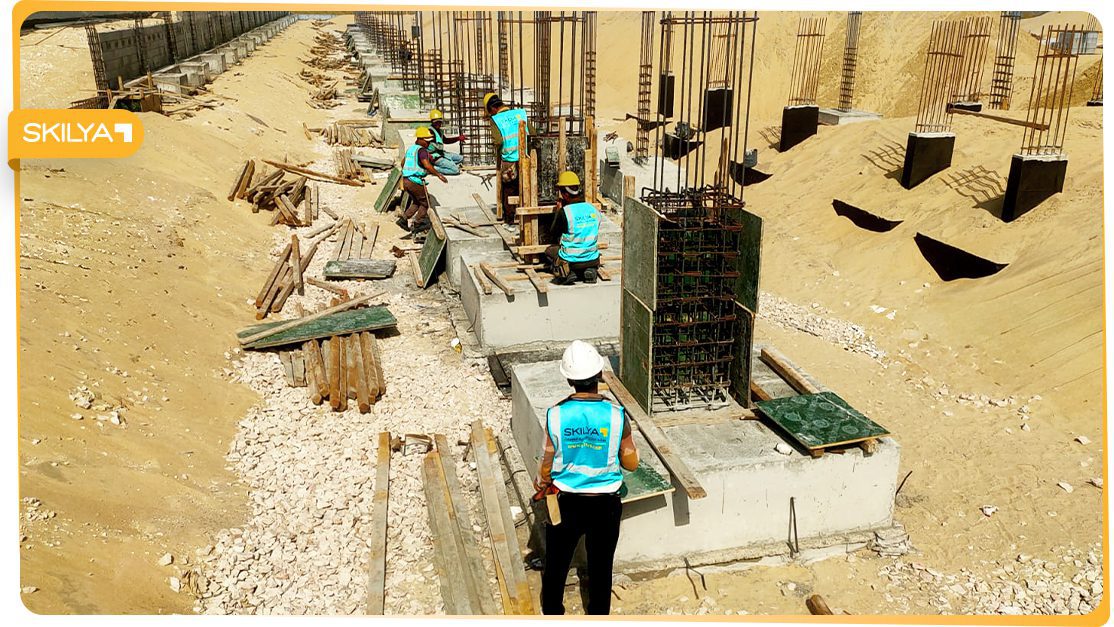
Even the best engineering design can fail if execution quality is poor. Heavy-load facilities require precise construction and strict quality control.
Critical execution controls include:
- Accurate reinforcement placement
- Concrete quality testing and curing
- Verification of tolerances and alignment
Quality-controlled execution ensures that structures perform as designed under heavy loads.
Long-Term Performance and Maintenance
Engineering for heavy loads is not only about initial strength it’s about long-term performance. Industrial facilities must resist fatigue, wear, and environmental effects over decades.
Durable design and construction reduce:
- Structural repairs
- Equipment downtime
- Operational risk
Long-term reliability is a key outcome of proper heavy-load engineering.
Best Construction Company in Saudi Arabia
Engineering industrial facilities for heavy loads requires specialized expertise. Working with a Best Construction Company in Saudi Arabia ensures that structural systems, foundations, and floors are designed and executed to meet demanding load requirements.
A leading construction company understands how to integrate engineering precision with practical execution delivering industrial facilities that operate safely and efficiently under heavy loads.
How Skilya Engineers Industrial Facilities for Heavy Loads
Skilya delivers industrial facilities through engineering-led planning and execution. By coordinating structural design, foundation systems, and heavy-duty floor construction, Skilya ensures industrial buildings can safely support heavy machinery, dynamic loads, and future expansion needs.
This approach allows Skilya to deliver industrial projects that combine strength, durability, and long-term operational performance.
Frequently Asked Questions (FAQ)
Why is heavy-load engineering critical in industrial buildings?
Because machinery, storage systems, and vehicles place extreme demands on structures and floors.
Can industrial buildings be upgraded for heavier loads later?
Yes, if future load allowances are considered during initial design.
Do heavy loads increase construction cost?
They influence cost, but proper engineering prevents far greater costs from failure or downtime.
Conclusion
Building for heavy loads is a defining challenge in industrial construction. Through accurate load analysis, robust structural systems, engineered foundations, and precise execution, industrial facilities can safely support demanding operations for decades. In Saudi Arabia’s growing industrial landscape, partnering with experienced construction companies is essential to delivering facilities that perform reliably under heavy loads and evolving operational demands.