

- seo
- January 27, 2026
Factory & Industrial Facility Construction: How a Construction Company Handles Heavy-Duty Requirements
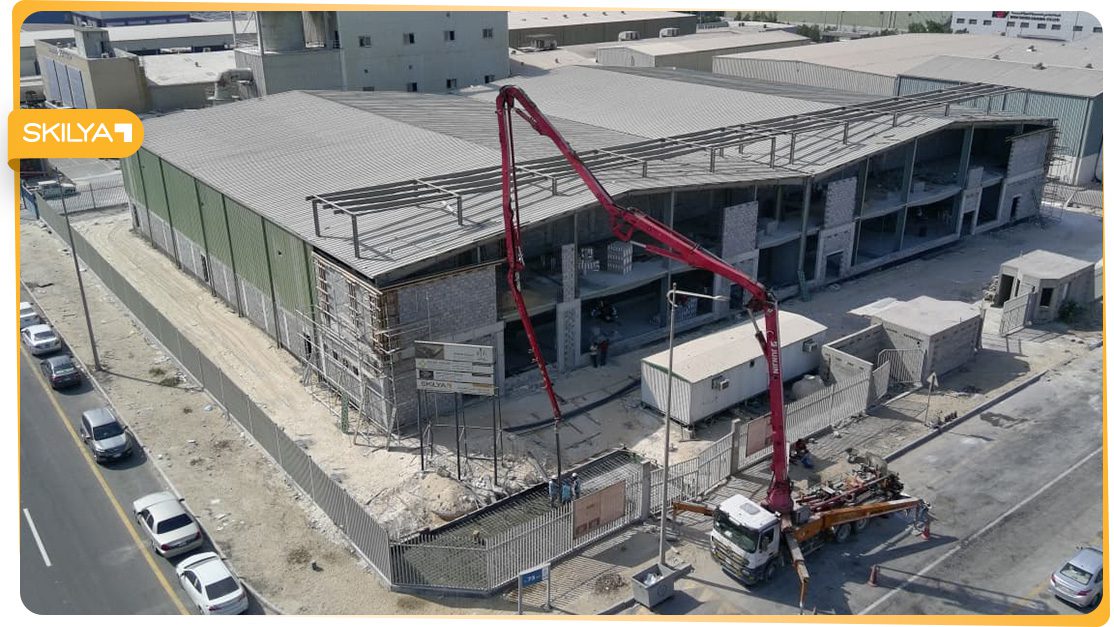
Factories and Industrial Facility Construction are built to work not just to stand. They must support heavy machinery, continuous operations, high electrical loads, and strict safety requirements. Any mistake during construction can interrupt production, increase maintenance costs, or create safety risks.
This is why factory construction requires a professional construction company that understands heavy-duty requirements. A reliable contracting company must plan for load capacity, system integration, durability, and long-term operation from day one. As an experienced general contracting company, Skilya delivers industrial facilities designed to handle demanding environments across Saudi Arabia.
Why Factory Construction Is Different
Industrial facilities operate under conditions that are very different from offices or residential buildings.
Factories typically involve:
- Heavy equipment and machinery
- High electrical demand
- Continuous operation cycles
- Special ventilation and cooling needs
- Strict safety and compliance standards
A professional construction company must understand these differences to deliver a facility that performs reliably under pressure.
Understanding Heavy Loads and Structural Demands
One of the main challenges in factory construction is load management. Floors, foundations, and structural elements must support heavy machines, storage systems, and vehicle movement.
A reliable contracting company evaluates:
- Equipment weight and vibration
- Floor load capacity
- Foundation strength
- Structural reinforcement needs
Skilya ensures that structural systems are designed and built to handle real operational loads, not just theoretical values. This prevents cracks, settlement, and long-term structural issues.
Designing Floors for Industrial Use
Industrial floors are critical. They must resist abrasion, vibration, chemicals, and heavy traffic.
A professional construction company considers:
- Floor thickness and reinforcement
- Concrete strength and finishing method
- Joint design and placement
- Surface flatness and durability
Skilya applies industrial-grade flooring solutions suited to factory environments. Proper preparation and execution ensure floors remain stable and functional over time.
Managing High Electrical Loads Safely
Factories consume large amounts of power. Electrical systems must support machinery, lighting, control systems, and safety equipment.
A professional general contracting company plans electrical systems carefully:
- Load calculations are accurate
- Distribution systems are reliable
- Grounding and earthing are robust
- Emergency systems are in place
Skilya coordinates electrical design and execution to ensure stable power supply and safe operation under continuous load.
HVAC and Ventilation for Industrial Conditions
Industrial environments generate heat, dust, fumes, and sometimes moisture. HVAC systems must protect both equipment and workers.
A reliable construction company designs HVAC systems to:
- Control temperature and humidity
- Remove heat and pollutants
- Support continuous operation
- Allow easy maintenance
Skilya integrates HVAC planning with factory layout and process requirements. This results in healthier working conditions and better equipment performance.
Plumbing and Process Utilities
Industrial plumbing is not limited to restrooms and basic drainage. Many factories require:
- Process water systems
- Specialized drainage
- Firefighting networks
- Utility connections for production
A professional contracting company understands these needs and plans plumbing systems accordingly.
Skilya coordinates plumbing and utility systems with equipment layouts to ensure safety, efficiency, and easy maintenance.
How Skilya Handles Heavy-Duty Industrial Requirements
Skilya approaches factory construction with an engineering-led mindset. As a professional general contracting company, Skilya manages heavy-duty requirements as core project priorities.
From foundations and structural works to MEP systems and finishing, all elements are planned to support industrial operations. Skilya coordinates civil, mechanical, electrical, and plumbing works under one management structure, ensuring that systems work together without conflict.
Quality control, safety, and durability guide every decision. This integrated approach allows Skilya to deliver industrial facilities that operate reliably from day one and continue to perform over time.
Safety as a Core Design and Execution Factor
Industrial Facility Construction sites carry higher risks than typical projects. Heavy equipment, high voltages, and complex operations require strict safety control.
A responsible construction company integrates safety into:
- Design decisions
- Construction methods
- Site management
- System testing
Skilya enforces safety procedures throughout construction. This protects workers and ensures compliance with industrial regulations.
Coordinating Construction with Equipment Installation
In many factories, equipment installation happens during or shortly after construction.
A professional contracting company coordinates building works with equipment delivery and installation schedules. Access routes, clearances, and foundations must be ready at the right time.
Skilya plans construction sequences to support smooth equipment installation, reducing downtime and preventing damage.
Testing and Commissioning for Industrial Operation
Industrial facilities cannot afford long startup delays.
A professional general contracting company plans testing and commissioning carefully. Systems are tested under realistic operating conditions.
Skilya conducts structured testing for electrical, HVAC, plumbing, and safety systems. This ensures that the facility is ready for production without surprises.
Long-Term Durability and Maintenance
Factories are long-term investments. Poor construction decisions increase maintenance costs and disrupt operations.
A professional construction company builds with maintenance in mind:
- Easy access to systems
- Clear documentation
- Durable materials
- Reliable installations
Skilya delivers industrial facilities that are easier to maintain and operate, protecting the client’s investment over time.
Common Factory Construction Mistakes and How to Avoid Them
Common mistakes include:
- Underestimating equipment loads
- Poor coordination between systems
- Inadequate ventilation
- Rushed flooring execution
Skilya avoids these issues through early planning, strong coordination, and disciplined execution.
Why Industrial Clients Need Experienced Construction Partners
Industrial clients look for reliability, not experiments.
A professional general contracting company helps clients:
- Reduce operational risk
- Improve safety
- Achieve faster startup
- Maintain long-term performance
Skilya’s experience in Industrial Facility Construction makes it a trusted partner for heavy-duty facilities.
Frequently Asked Questions
Why is factory construction more complex than commercial buildings?
Because of heavy loads, continuous operation, and specialized systems.
What role does MEP play in factories?
MEP systems directly support production, safety, and equipment performance.
Can Skilya manage both construction and coordination with equipment suppliers?
Yes, Skilya coordinates building works with equipment installation schedules.