

- seo
- December 24, 2025
What Does a General Contracting Company Do
In today’s fast-paced construction industry, many clients begin their journey by asking a simple but critical question: What does a general contracting company do? While the term general contracting is widely used, its actual scope, responsibilities, and impact on project success are often misunderstood.
A general contracting company plays a central role in transforming designs into completed, functional structures. From planning and coordination to execution and delivery, general contracting is the backbone of successful construction projects especially in complex markets like Saudi Arabia.
This article explains what a general contracting company does, why general contracting is essential for modern construction, and how professional contractors add value across every project stage.
What Is a General Contracting Company?
A general contracting company is responsible for managing and executing construction projects on behalf of the client. Unlike specialized contractors who focus on a single trade, a general contracting company oversees the entire construction process and ensures that all components work together seamlessly.
General contracting includes:
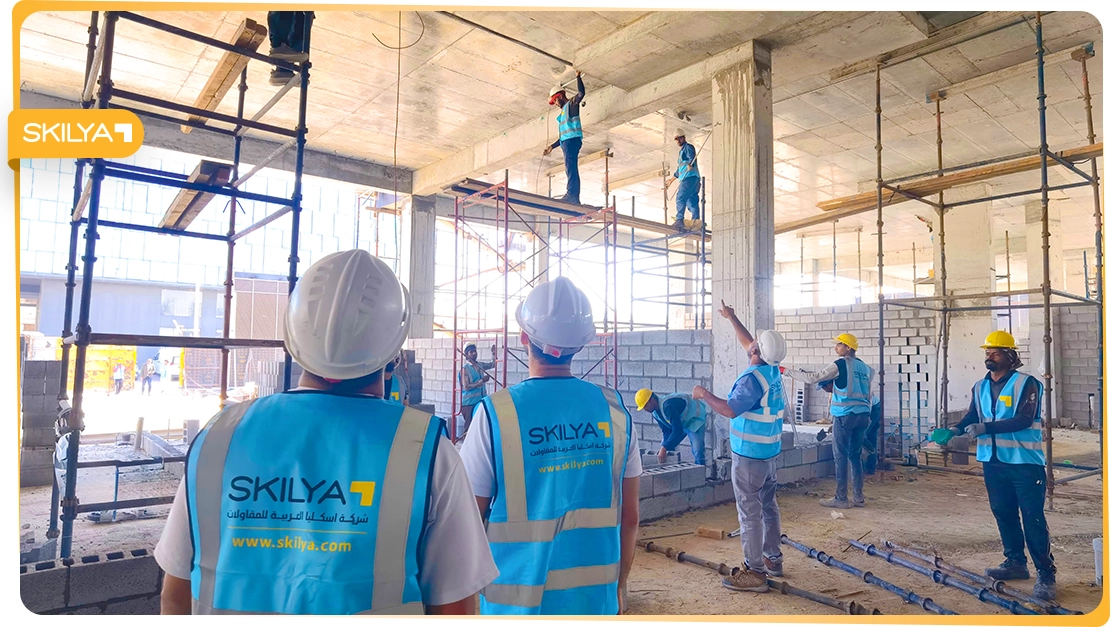
- Managing construction activities on-site
- Coordinating subcontractors and suppliers
- Ensuring compliance with drawings and specifications
- Controlling schedules, budgets, and quality
In essence, a general contracting company acts as the main execution authority responsible for turning plans into reality.
The Core Responsibilities of a General Contracting Company
1. Project Planning and Coordination
One of the primary responsibilities of a general contracting company is project planning. This includes:
- Reviewing construction drawings
- Developing execution schedules
- Planning manpower and equipment
- Coordinating with consultants and stakeholders
Effective planning ensures that construction activities are aligned, reducing delays and conflicts during execution.
2. Site Management and Supervision
On-site supervision is a critical part of general contracting. A professional general contracting company:
- Manages daily site operations
- Oversees subcontractors
- Ensures safety compliance
- Maintains productivity and quality standards
Strong site management directly impacts construction efficiency and final project quality.
3. Subcontractor and Supplier Management
General contracting involves coordinating multiple subcontractors such as:
- Electrical and mechanical contractors
- Finishing and fit-out teams
- Steel and structural works specialists
A general contracting company selects, manages, and supervises subcontractors to ensure their work meets project specifications and timelines.
4. Quality Control and Compliance
Quality assurance is a fundamental responsibility of any general contracting company. This includes:
- Conducting inspections
- Verifying materials and workmanship
- Ensuring compliance with local regulations
- Addressing defects and non-conformities
In Saudi Arabia, compliance with the Saudi Building Code and civil defense requirements is essential for project approval and long-term safety.
Why General Contracting Is Essential in Saudi Arabia
Construction projects in Saudi Arabia are becoming increasingly complex due to:
- Large-scale developments
- Industrial and infrastructure growth
- Vision 2030 initiatives
- Strict regulatory requirements
General contracting provides a structured approach that helps clients manage this complexity through centralized control, accountability, and coordination.
A professional general contracting company understands local regulations, approval processes, and construction challenges making it an essential partner for project success.
General Contracting vs. Construction Management
While often confused, general contracting and construction management are not the same.
- General Contracting focuses on execution and delivery
- Construction Management focuses on advisory and coordination roles
In general contracting, the contractor takes full responsibility for construction outcomes, including cost, schedule, and quality providing clients with a single point of accountability.
The Role of General Contracting Across Project Stages
Pre-Construction Phase
- Cost estimation
- Planning and scheduling
- Resource allocation
Construction Phase
- Site execution
- Subcontractor coordination
- Quality and safety management
Post-Construction Phase
- Testing and commissioning
- Final inspections
- Project handover
A strong general contracting company ensures continuity and efficiency across all these stages.
Integrated General Contracting Services
Modern construction projects benefit significantly from integrated general contracting services. Instead of managing multiple contractors separately, clients work with one company responsible for:
- Structural works
- MEP coordination
- Finishing and fit-out
- External works and landscaping
This integrated approach reduces risk, improves communication, and enhances overall project quality.
Companies like Skilya operate as full-service general contracting companies, combining engineering expertise with hands-on execution to deliver consistent results across different project types.
General Contracting for Different Project Types
Industrial Projects
Industrial construction requires strict safety standards, heavy-duty structures, and precise execution. A general contracting company ensures coordination between engineering, fabrication, and site installation.
Commercial Projects
Commercial buildings demand efficient scheduling, cost control, and high-quality finishes. General contracting ensures smooth delivery without disrupting business timelines.
Educational Facilities
Educational construction projects require compliance with safety, accessibility, and functional standards. General contracting ensures that these requirements are met without compromising timelines.
Skilya’s general contracting approach adapts to each project type while maintaining consistent execution standards.
Risk Management in General Contracting
Risk management is a key advantage of professional general contracting. A reliable general contracting company:
- Identifies potential risks early
- Implements mitigation strategies
- Adjusts schedules and resources proactively
This proactive approach minimizes disruptions and protects project timelines and budgets.
Common Misconceptions About General Contracting
- General contracting is only about site labor
- Any contractor can act as a general contractor
- Lowest price equals best value
In reality, effective general contracting requires experience, systems, and leadership not just manpower.
How to Choose the Right General Contracting Company
When selecting a general contracting company, consider:
- Proven experience in similar projects
- Ability to manage multiple disciplines
- Quality and safety standards
- Transparency in communication and reporting
Choosing the right general contracting company directly impacts project success and long-term performance.
Understanding what a general contracting company does is essential for making informed construction decisions. General contracting is not just about building t is about managing complexity, ensuring quality, and delivering projects efficiently.
A professional general contracting company provides structure, accountability, and coordination across every project stage. Companies such as Skilya demonstrate how integrated general contracting services can support successful construction outcomes through engineering-led execution and consistent delivery.