

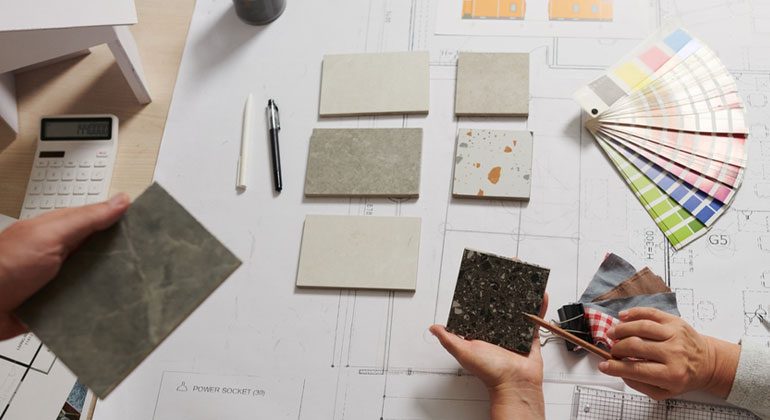
Materials and Textures
Exploring Material and Texture in Design
Material and texture are fundamental elements in design that significantly influence the aesthetics, functionality, and overall experience of a space or product. Understanding how different materials and textures interact can enhance creativity and lead to innovative designs.
The Importance of Material
Materials are the physical substances used to create objects, structures, and environments. Each material has unique properties that affect its performance, durability, and appearance. Common materials in design include:
- Wood: Known for its warmth and versatility, wood is a popular choice in furniture and interior design. It can be finished in various ways to enhance its natural grain and color, making it suitable for both rustic and modern aesthetics.
- Metal: Metals like steel, aluminum, and brass offer strength and durability. They can create sleek, contemporary designs and are often used in industrial-style interiors. Metal finishes, such as brushed or polished, also contribute to the overall look.
- Glass: Glass provides transparency and lightness, making it ideal for creating open and airy spaces. It can be used in windows, partitions, and furniture, adding elegance while allowing for natural light to flow through.
- Fabric: Textiles contribute to the tactile quality of a design. Different fabrics, such as cotton, linen, velvet, or leather, can evoke various emotions and styles, from cozy and inviting to luxurious and sophisticated.
- Ceramics and Stone: These materials are often used in flooring and decorative elements. Their natural textures and patterns can add depth and character to a design while offering durability.
Understanding Texture
Texture refers to the surface quality of a material, which can be perceived visually and physically. It plays a crucial role in the overall sensory experience of a design. Textures can be categorized into two main types:
- Tactile Texture: This is the actual feel of a surface. Tactile textures can be smooth, rough, soft, or hard. The choice of tactile texture impacts how people interact with a space or object. For example, a plush rug invites comfort, while a sleek countertop may convey modernity.
- Visual Texture: This refers to the appearance of texture created by patterns, colors, or materials. Visual textures can give the illusion of depth or richness in a design. For instance, a wallpaper with a textured pattern can add interest to a flat surface.
The Relationship Between Material and Texture
The interplay between material and texture is vital in design. The choice of materials can enhance or diminish the perceived texture of a space. For example, pairing a rough wooden table with smooth ceramic dishes creates a balanced contrast that is visually appealing.
Designers often use a mix of materials and textures to create depth and interest. A well-designed space might incorporate various materials—such as a metal frame, a wooden table, and soft textiles—to create a harmonious and inviting environment.
Applications in Design
- Interior Design: In interior spaces, the combination of materials and textures can define the mood and functionality. Designers carefully select materials to create a cohesive look while ensuring comfort and practicality.
- Product Design: In product design, the choice of materials and textures affects usability and user experience. For instance, a smartphone with a textured back provides better grip, while a smooth surface may feel more luxurious.
- Fashion Design: In fashion, the interplay between different fabrics and textures can create unique styles. Designers often experiment with layering various textiles to achieve interesting visual and tactile effects.
Ready to Get Started? Contact Us Today!
Phone: +966 138 999 045
- Email: info@skilya.com
- Visit our website at skilya.com to learn more about our services and view our project portfolio.
Our Brochure